Residential Concrete Slabs in Ocala: Uses, Costs & Homeowner Guide
Concrete slabs are one of the most important elements in residential construction, yet they are often overlooked until problems appear. Whether you are planning a new garage, a backyard structure, a patio foundation, or a home addition, the quality of the concrete slab beneath it plays a major role in long-term performance.
In Ocala, soil conditions, moisture levels, and climate all influence how a concrete slab should be designed and installed. Choosing the right slab type and working with an experienced residential contractor helps reduce issues like cracking, settling, and drainage problems.
This guide explains what residential concrete slabs are, how they are used, what affects cost, and what homeowners should know before starting a project.
What Is a Residential Concrete Slab?
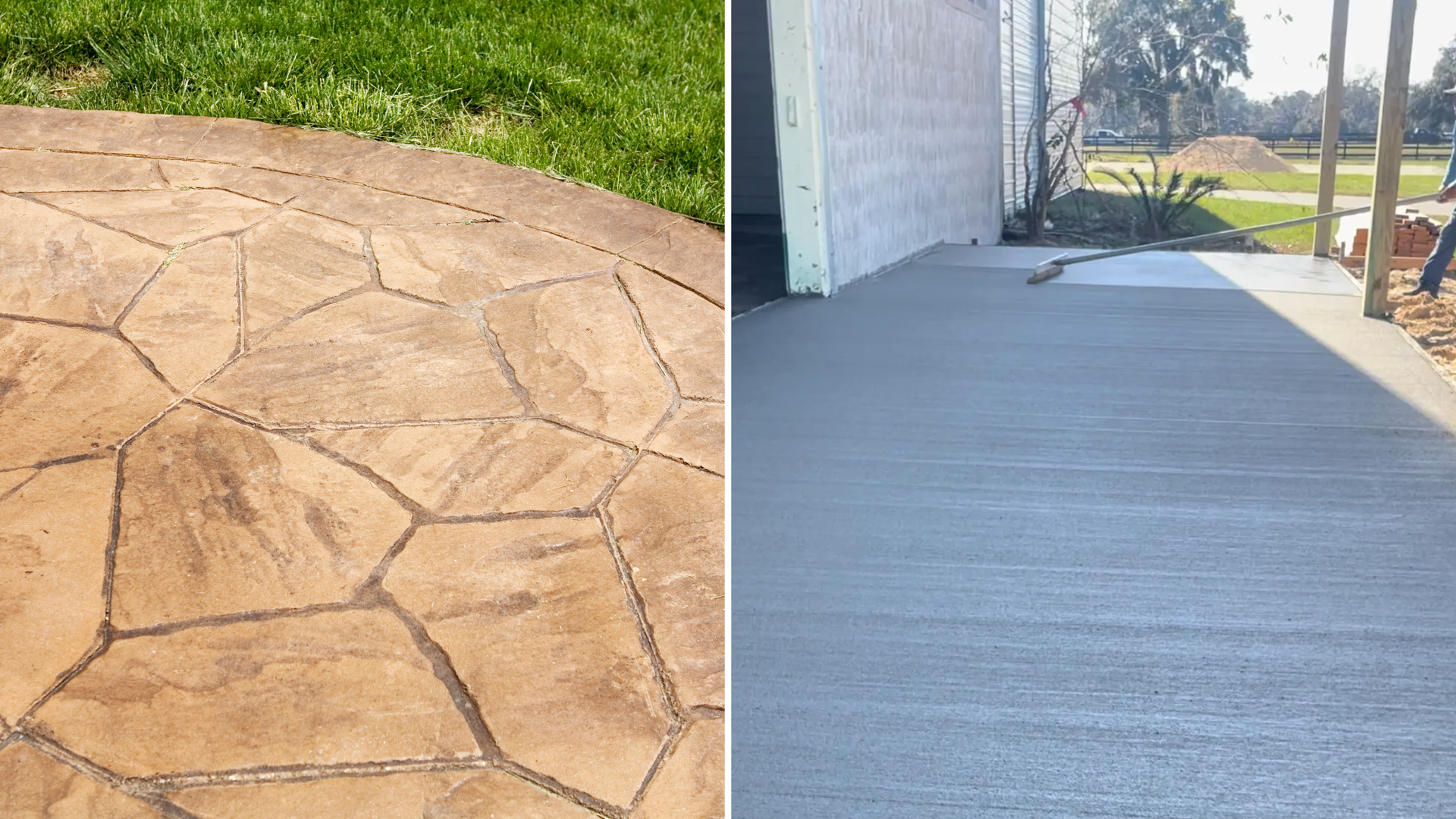
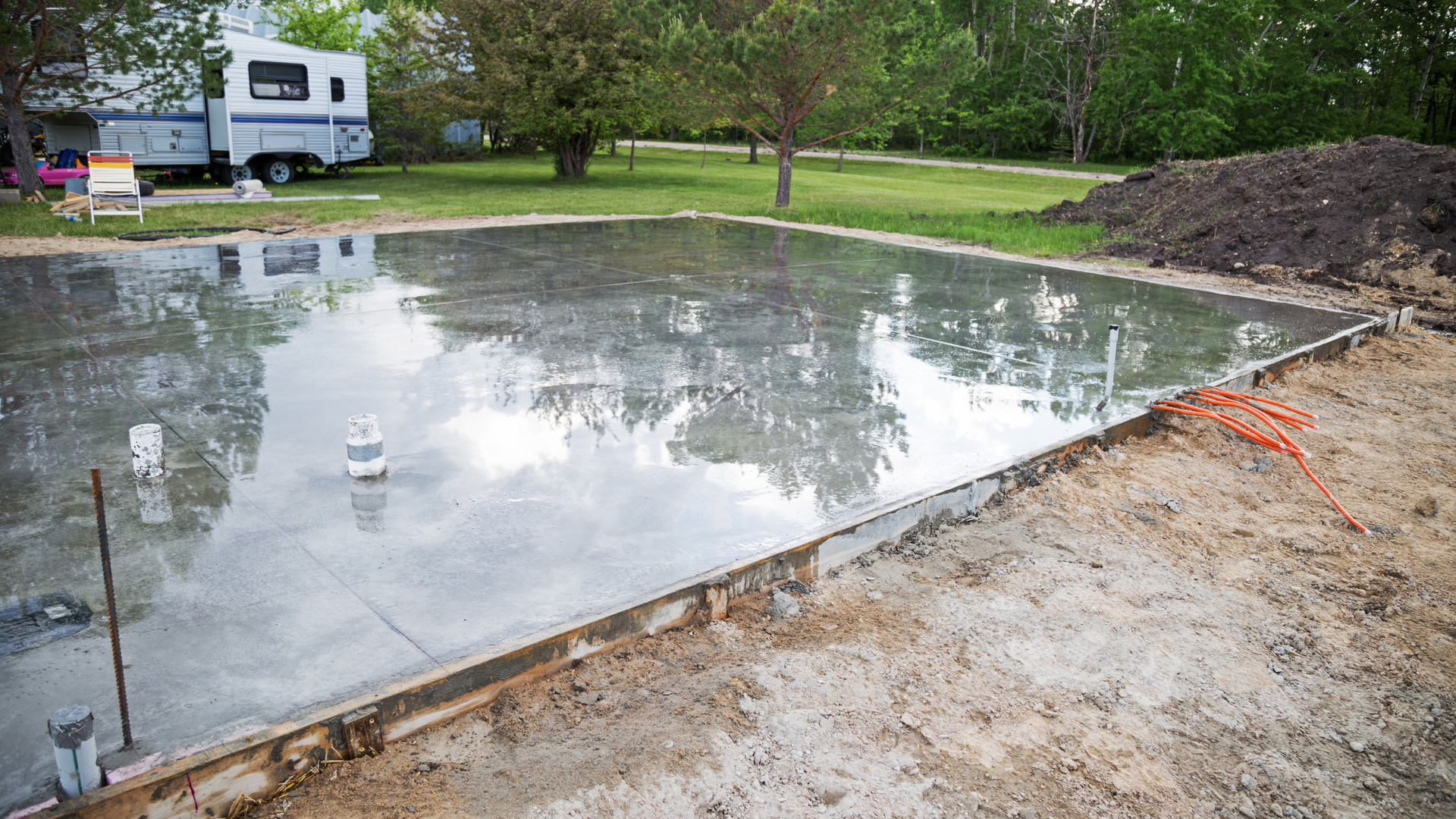
A residential concrete slab is a flat, poured surface designed to support structures, equipment, or daily use around a home. Unlike decorative concrete, slabs are primarily functional and serve as a structural base.
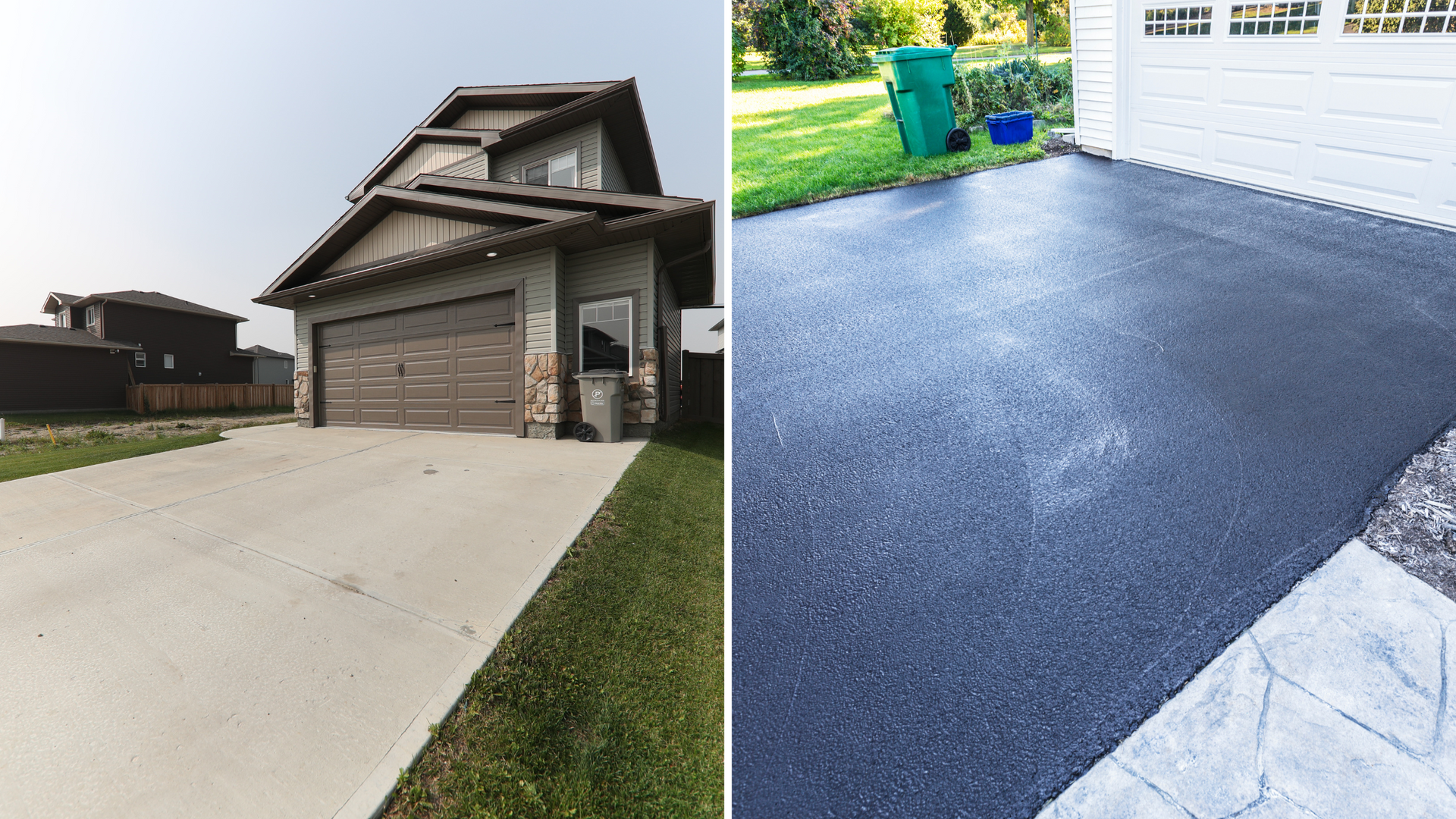
Concrete slabs are commonly used for garages, patios, sheds, workshops, home additions, and utility pads. In some homes, slabs also serve as the interior floor system.
A properly installed slab distributes weight evenly, manages moisture, and remains stable over time. Poor preparation or incorrect installation can lead to cracking, uneven settling, and premature failure.
Common Residential Uses for Concrete Slabs in Ocala
Concrete slabs are used throughout residential properties in Ocala. Common applications include:
Garage Slabs
Garage slabs must support vehicle weight, foot traffic, and storage loads. Thickness, reinforcement, and base preparation are especially important for long-term performance.
Patio and Outdoor Living Foundations
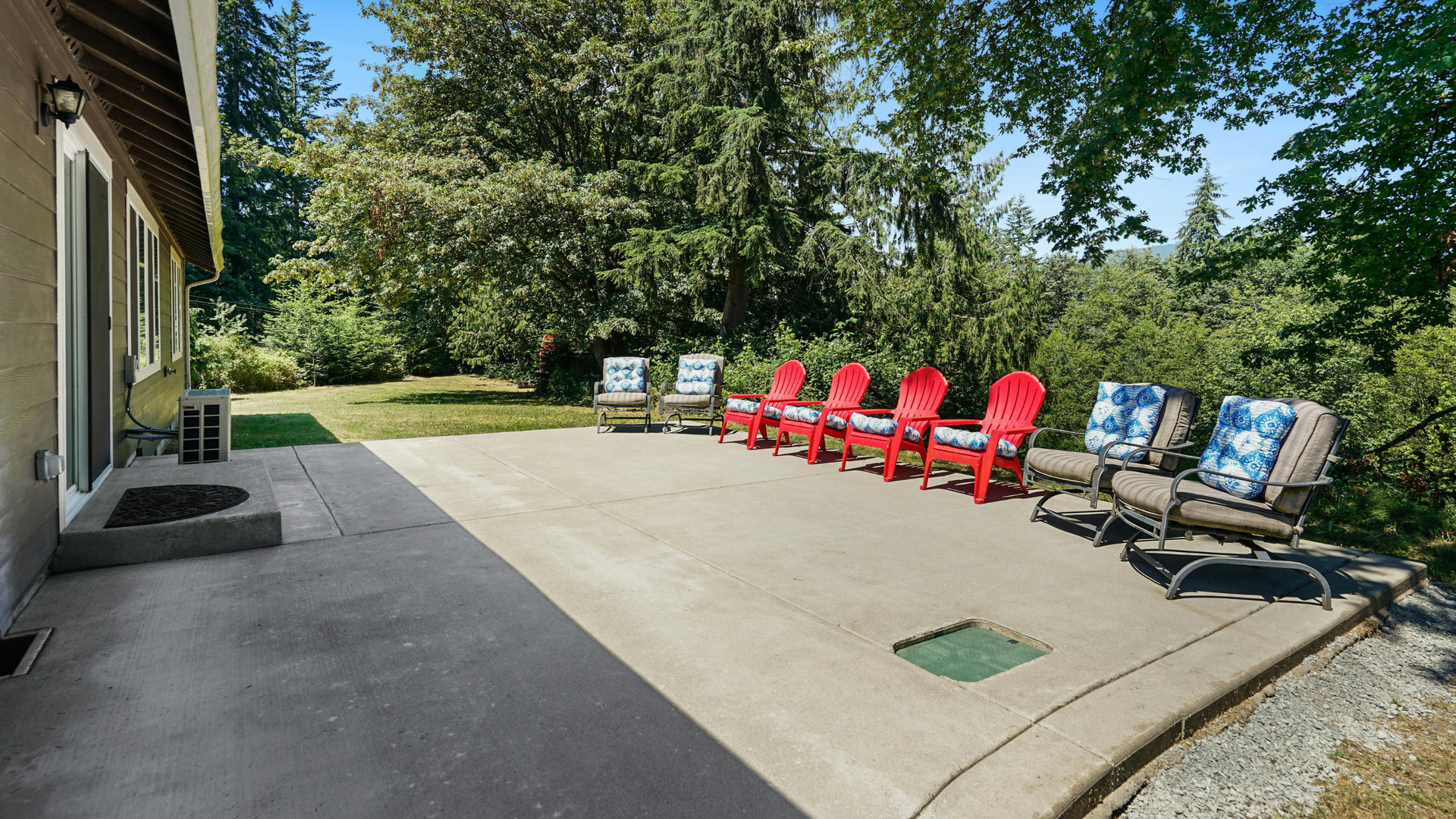
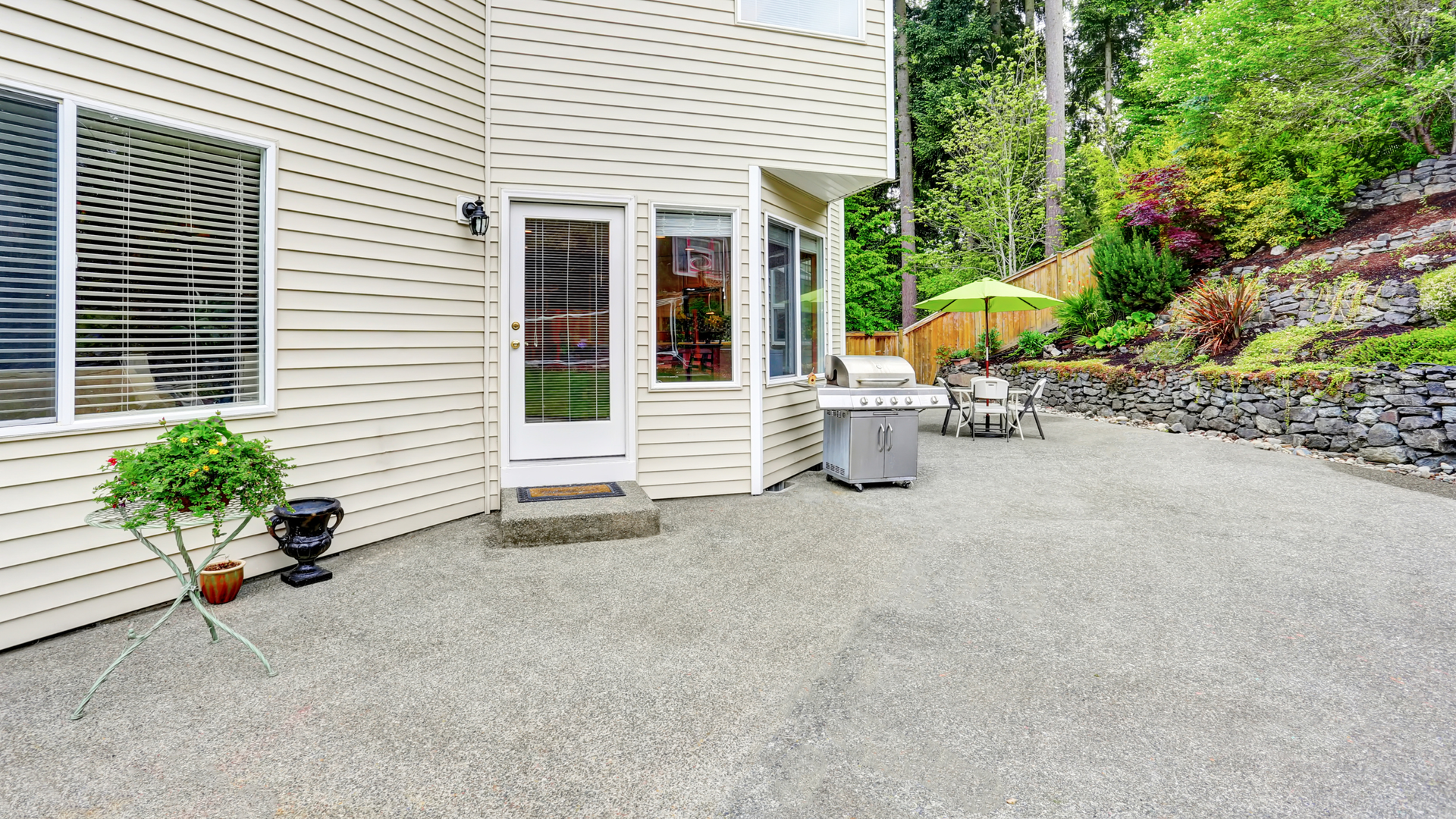
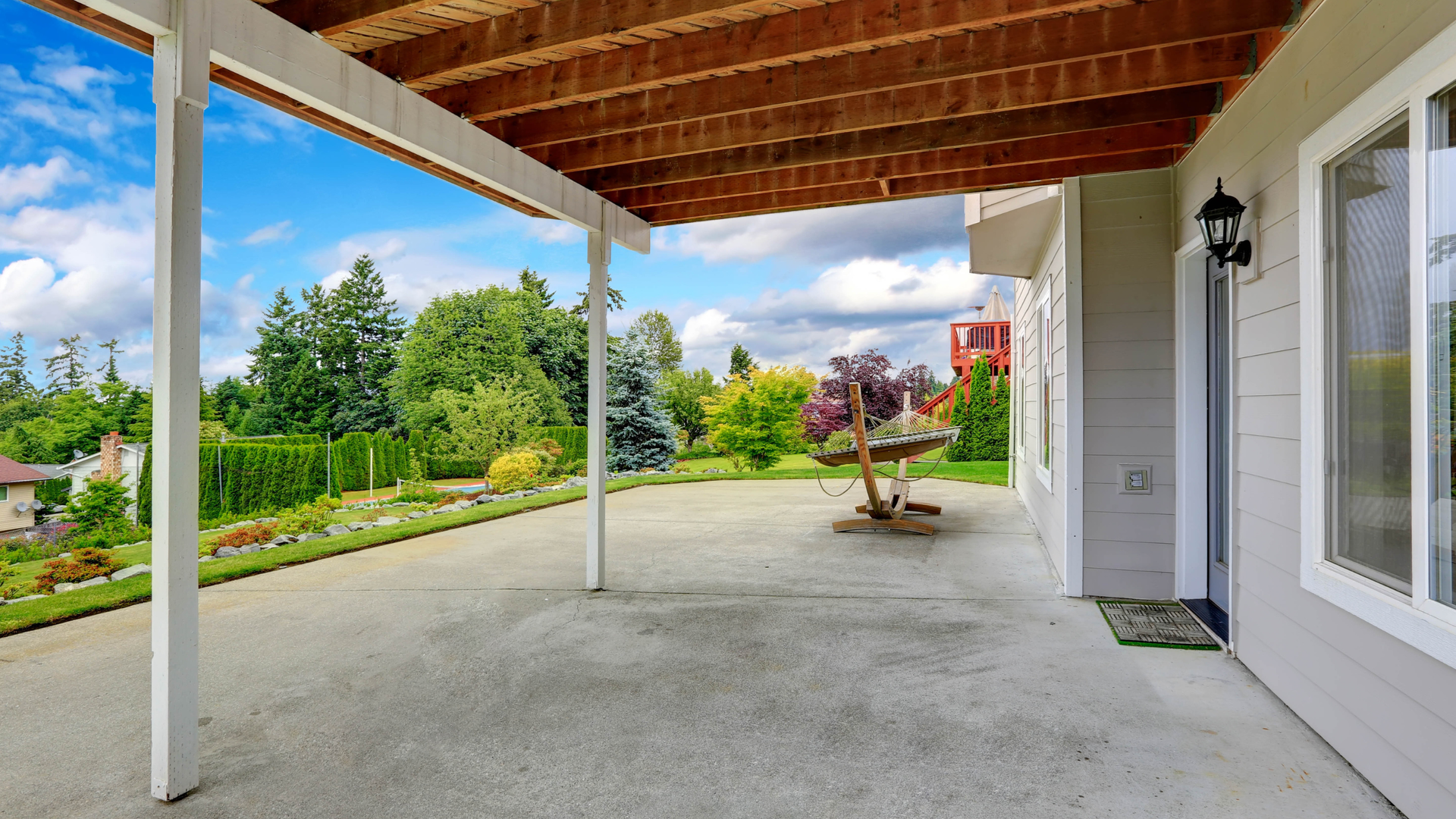
Many patios rely on standard concrete slabs as the foundation for future finishes such as pavers, tile, or covered outdoor structures.
Sheds, Workshops, and Backyard Structures
Concrete slabs provide a level base for detached structures and help protect them from moisture-prone ground conditions.
Home Additions
Concrete slabs are often used for room additions to maintain consistent floor height and support new walls.
Utility Pads
HVAC systems, generators, and outdoor equipment often require concrete slabs to remain level and properly supported.
Each application has different requirements, which is why slab design should be based on intended use rather than a one-size-fits-all approach.
Types of Residential Concrete Slabs
Understanding slab types helps homeowners select the right option for their project.
Monolithic Concrete Slabs
Monolithic slabs are poured as one continuous piece, including the slab and footing areas.
Best for:
- Garages
- Smaller residential structures
- Simple slab foundations
Advantages:
- Faster installation
- Lower labor costs
- Fewer joints
Floating Concrete Slabs
Floating slabs rest on a compacted gravel base and are not anchored with deep footings.
Best for:
- Sheds
- Workshops
- Detached, non load-bearing structures
Advantages:
- Cost effective
- Minimal excavation
- Suitable for lighter residential use
Reinforced Concrete Slabs
Reinforced slabs include steel rebar or wire mesh to improve strength and crack control.
Best for:
- Garages
- Home additions
- Areas with heavier loads
Advantages:
- Improved durability
- Better load distribution
- Reduced cracking risk
The right slab type depends on load requirements, soil conditions, and how the slab will be used.
How Thick Should a Residential Concrete Slab Be?
Slab thickness plays a major role in durability and performance. Typical residential guidelines include:
- 4 inches for patios, walkways, and light-use slabs
- 5 to 6 inches for garage slabs and vehicle traffic
- 6 inches or more for heavier loads or structural applications
Thickness alone does not determine strength. Proper reinforcement and base preparation are equally important.
What Goes Under a Concrete Slab?
A concrete slab is only as strong as what supports it.
Compacted Subgrade
The soil beneath the slab must be graded and compacted to minimize movement.
Gravel Base
A gravel layer improves drainage and provides a stable foundation.
Vapor Barrier
In many residential projects, a vapor barrier helps reduce moisture transfer through the slab.
Skipping or rushing these steps can lead to settling, cracking, and moisture-related issues.
Residential Concrete Slab Cost in Ocala
Concrete slab pricing varies based on several factors, including slab size, thickness, reinforcement, site access, and preparation requirements. Local permitting and inspections may also affect cost.
Below is a general pricing overview for residential concrete slabs in the Ocala area.
Estimated Residential Concrete Slab Costs
| Concrete Slab Type | Typical Thickness | Common Residential Use | Estimated Cost Range (Ocala) |
|---|---|---|---|
| Basic Utility Slab | 4 inches | Sheds, small workshops, equipment pads | $6 – $8 per sq ft |
| Patio Foundation Slab | 4–5 inches | Patios, outdoor living areas | $7 – $9 per sq ft |
| Garage Slab | 5–6 inches | One- and two-car garages | $8 – $11 per sq ft |
| Reinforced Structural Slab | 6+ inches | Home additions, heavy-load areas | $10 – $14+ per sq ft |
Pricing depends on site conditions, reinforcement needs, drainage considerations, and access to the project area. A professional site evaluation provides the most accurate estimate.
Do You Need a Permit for a Concrete Slab in Ocala?
Permit requirements depend on the slab’s size and purpose. In general:
- Slabs supporting structures often require permits
- Utility pads may not require permits
- Home additions typically require permits and inspections
- Local regulations can vary, so confirming requirements before starting helps prevent delays.
Concrete Slab Installation Process
Understanding the installation process helps homeowners know what to expect.
Step 1: Site Evaluation
The area is reviewed for soil stability, drainage, and layout requirements.
Step 2: Excavation and Grading
The site is excavated and leveled to the proper depth.
Step 3: Base Preparation
Gravel is installed and compacted to support the slab.
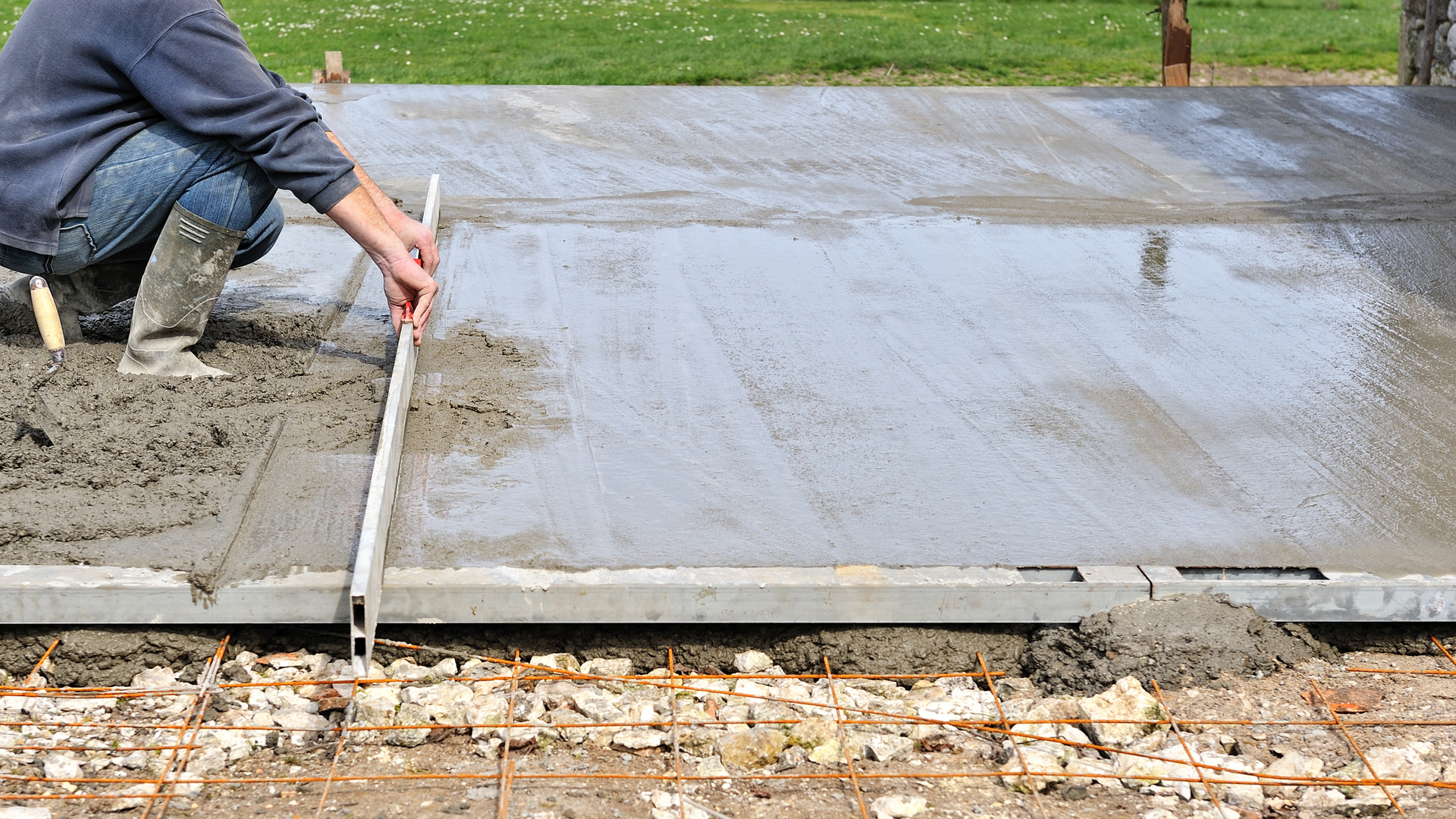
Step 4: Forming and Reinforcement
Forms define slab edges, and reinforcement is placed as required.
Step 5: Pouring and Finishing
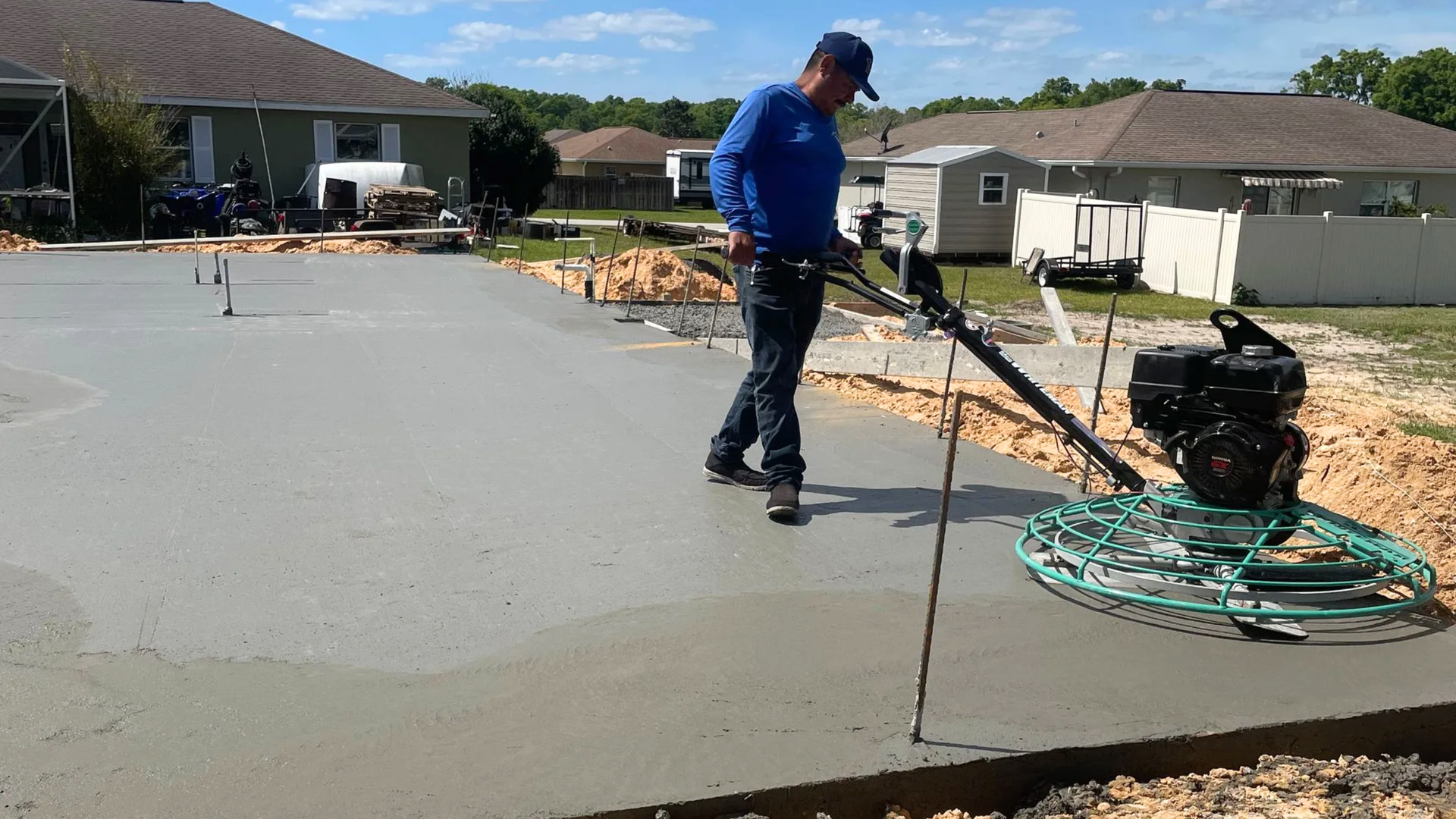
Concrete is poured, leveled, and finished to the desired surface.
Step 6: Curing
Proper curing allows the slab to gain strength over time.
How Long Does It Take to Cure a Concrete Slab?
Concrete continues to cure after the surface hardens.
- Light foot traffic is usually allowed within 24 to 48 hours
- Vehicle traffic typically after 7 days
- Full strength is reached in approximately 28 days
Following curing guidelines helps reduce cracking and surface damage.
Common Concrete Slab Problems and Prevention
Cracking
Some cracking is normal, but excessive cracking often results from poor base preparation or lack of reinforcement.
Settling
Uneven settling usually indicates inadequate compaction beneath the slab.
Surface Scaling
This may occur if concrete cures too quickly or is exposed to moisture during finishing.
Proper planning and experienced installation reduce these risks.
Can You Pour New Concrete Over an Existing Slab?
Pouring over an existing slab may be possible if the original surface is structurally sound and properly prepared. If the slab has major cracks or settlement issues, removal and replacement is often the better solution.
Why Professional Installation Matters
Small installation errors can lead to long-term issues. Professional residential contractors bring experience in soil preparation, reinforcement placement, grading, and code compliance.
C1 Foundations focuses exclusively on residential concrete work, allowing each slab to be tailored to the property and intended use.
Planning Your Residential Concrete Slab Project
Before starting your project, consider how the slab will be used, expected loads, drainage conditions, and future plans for the space. Thoughtful planning helps avoid unnecessary changes and added costs later.
Work With a Residential Concrete Slab Contractor in Ocala
Residential concrete slabs support many of the most important areas of a home. Proper design and installation help protect your investment and provide a reliable foundation for years of use.
C1 Foundations works with homeowners throughout Ocala to design and install residential concrete slabs based on local conditions and residential needs.
If you are planning a concrete slab project and want expert guidance, reach out to C1 Foundations to schedule a residential consultation.