How Thick Should a Concrete Patio Be in Ocala?
When homeowners plan a
concrete patio, most attention goes to layout, finishes, and cost. One of the most important decisions, however, happens before the concrete is poured: determining the correct slab thickness.
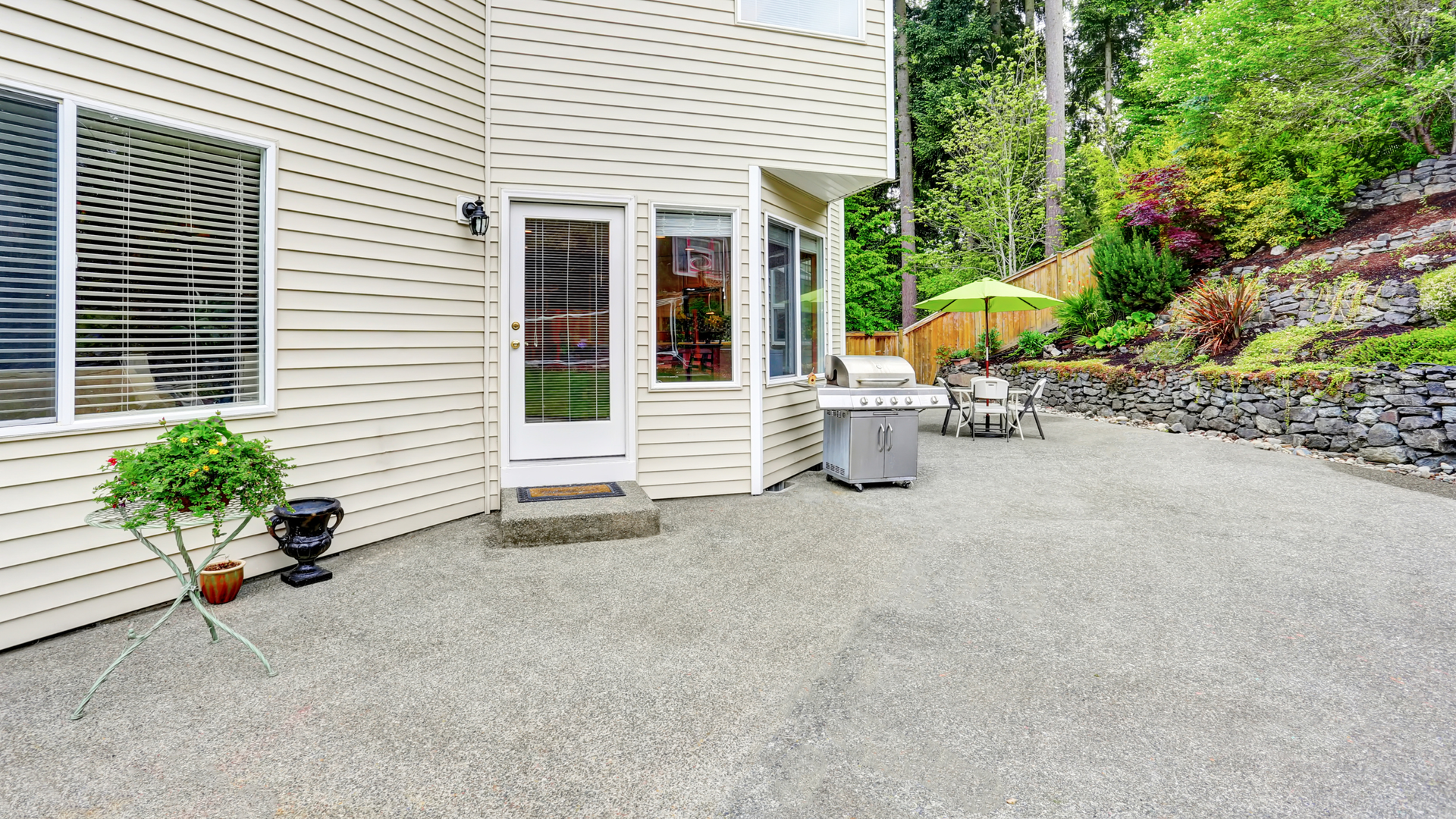
Patio thickness affects durability, cracking resistance, drainage performance, and the slab’s ability to support outdoor features. In Ocala, where patios experience intense sun, heavy rain, and shifting soil conditions, slab design matters even more.
This guide explains how thick a concrete patio should be, how thickness changes depending on patio use, and what preparation steps help ensure long-term performance. If you are still planning your patio design, it may also help to review our guide to Concrete Patios in Ocala, which covers patio styles, planning considerations, and overall cost expectations.
Why Patio Thickness Matters
A concrete patio may appear simple on the surface, but the slab beneath it supports the entire outdoor space. When patios are poured too thin or without proper reinforcement, several problems can develop over time.
Common problems caused by insufficient slab thickness include:
- Cracking caused by soil movement
- Edge breakage along patio borders
- Uneven settling that affects drainage
- Reduced ability to support heavy outdoor features
These problems are difficult to correct after installation. Choosing the correct slab thickness during planning helps prevent expensive repairs later.
Standard Concrete Patio Thickness
For most residential patios, the industry standard thickness is 4 inches.
A properly installed 4-inch slab can comfortably support:
- Patio furniture
- Outdoor seating areas
- Grills and fire pits
- Normal foot traffic
When combined with proper reinforcement and base preparation, a 4-inch patio slab can perform reliably for many years.
However, some patios require thicker slabs depending on how the space will be used.
Recommended Patio Thickness by Use
Different outdoor features create different load requirements. The following table shows typical residential patio uses and recommended slab thickness.
Concrete Patio Thickness Guidelines
| Patio Use | Recommended Thickness | Reinforcement | Notes |
|---|---|---|---|
| Standard backyard patio | 4 inches | Wire mesh or fiber reinforcement | Suitable for most residential patios |
| Patio with heavy furniture or fire pit | 4–5 inches | Wire mesh or rebar | Provides additional support |
| Patio supporting pergola posts | 5 inches | Rebar reinforcement | Handles vertical structural loads |
| Outdoor kitchen patio | 5–6 inches | Rebar grid | Supports appliances and counters |
| Covered patio foundation | 5–6 inches | Structural reinforcement | Often engineered for roof loads |
Increasing thickness helps distribute weight more effectively, especially when heavy features are added.
Reinforcement and Why It Matters
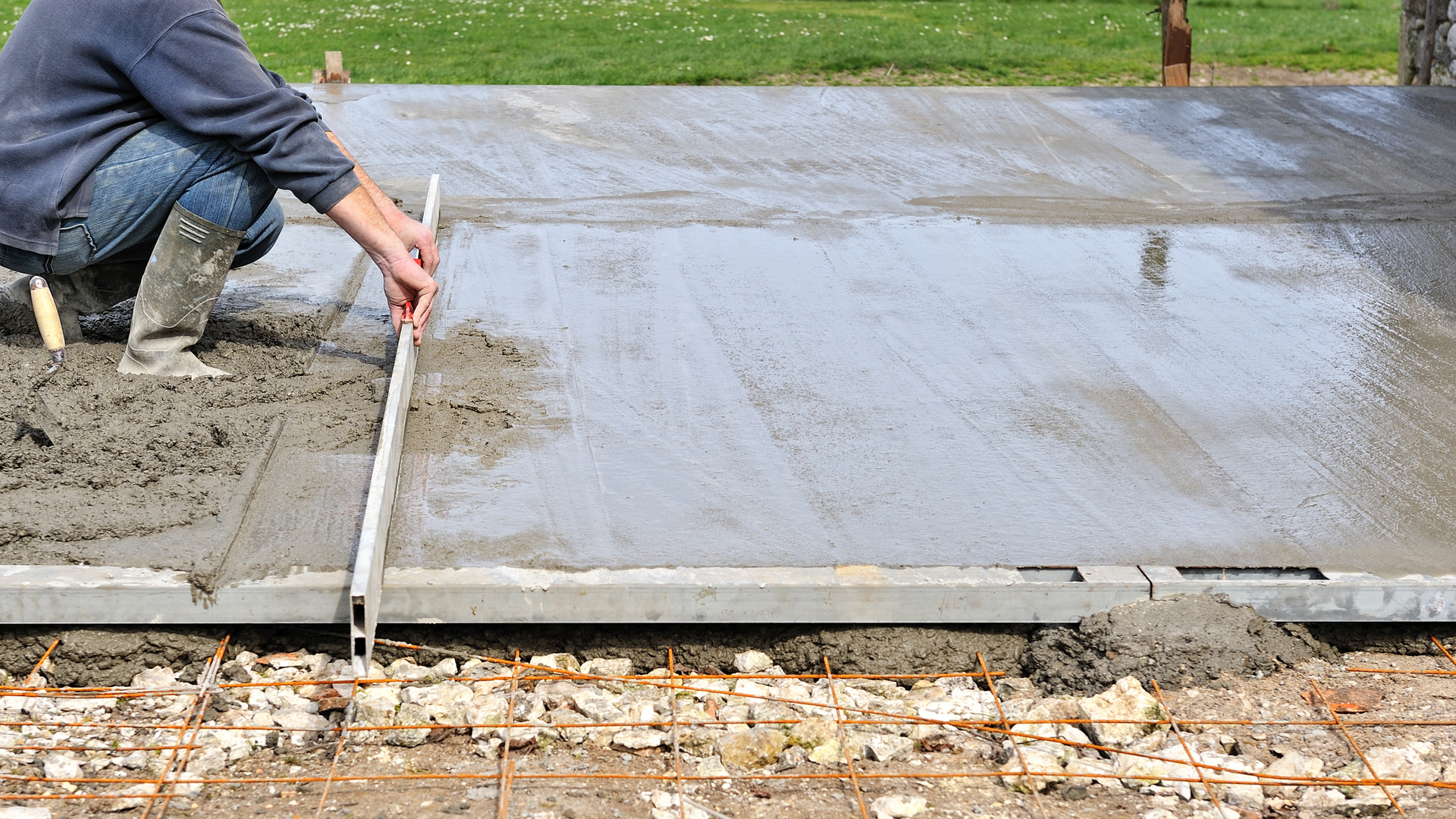
Concrete is strong when compressed but weaker when pulled apart by tension forces. Reinforcement helps the slab resist these forces and reduces cracking.
Several reinforcement methods are commonly used in residential patios.
Wire Mesh
Wire mesh spreads loads across the slab surface and helps reduce surface cracks.
Rebar Reinforcement
Rebar provides stronger reinforcement than mesh and is typically used when patios support structural features such as pergolas or covered roofs.
Fiber Reinforcement
Fiber additives mixed into concrete improve crack resistance and are sometimes used alongside mesh or rebar.
Choosing the correct reinforcement depends on slab thickness, patio use, and soil conditions.
What Goes Beneath a Concrete Patio
The foundation beneath a patio slab is just as important as the slab itself.
Compacted Subgrade
The soil beneath the slab must be leveled and compacted. Loose soil can lead to settlement and cracking.
Gravel Base
A gravel base improves drainage and creates a stable platform for the slab.
These preparation steps are discussed in more detail in our guide to residential concrete slabs in Ocala, which explains how slab foundations perform under Florida soil conditions.
Drainage and Patio Slope
Drainage is one of the most important design considerations for patios in Florida.
Concrete patios should slope slightly away from the home to direct rainwater runoff. Typical slopes range between 1/8 inch and 1/4 inch per foot.
Without proper slope, patios may experience:
- Standing water
- Surface staining
- Soil erosion beneath the slab
Even a thick slab can develop problems if drainage is not properly designed.
Patio Thickness and Expansion Joints
Concrete expands and contracts with temperature changes. Expansion joints help control where cracks occur and prevent uncontrolled cracking.
Most residential patios include joints spaced approximately 8 to 10 feet apart.
When patios connect to driveways, joint placement and slope coordination become even more important. Understanding concrete driveway installation in Ocala helps ensure both surfaces integrate properly.
When a Patio Slab Should Be Thicker Than 4 Inches
Although 4 inches works for most patios, some projects benefit from additional thickness.
Outdoor Kitchens
Outdoor kitchens often include heavy appliances, stone countertops, and built-in storage. A thicker slab distributes this weight more evenly.
Pergolas and Covered Patios
When posts are installed on the patio slab, additional reinforcement and thickness help support vertical loads.
Large Patios
Large patios may require additional thickness to improve stability across the slab.
Challenging Soil Conditions
Some properties require thicker slabs due to soil movement or drainage concerns.
How Patio Thickness Affects Cost
Thicker slabs require additional concrete, reinforcement, and labor. However, increased thickness can also improve durability and prevent future repairs.
Estimated Patio Cost by Thickness
| Patio Thickness | Typical Use | Estimated Cost Range |
|---|---|---|
| 4-inch slab | Standard patio | $18 – $24 per sq ft |
| 5-inch reinforced slab | Patio with heavy features | $22 – $32 per sq ft |
| 6-inch structural slab | Covered patio or outdoor kitchen | $30 – $45+ per sq ft |
Actual costs depend on site preparation, patio size, and finish type. Homeowners comparing budgets often review concrete slab cost in Ocala to understand how preparation and reinforcement affect project pricing.
Common Patio Thickness Mistakes
Several planning mistakes frequently lead to patio problems.
The most common include:
- Pouring slabs thinner than 4 inches
- Skipping reinforcement to reduce cost
- Inadequate base preparation
- Not planning for future structures
These shortcuts often lead to cracking, settling, or premature wear.
Correcting these issues later usually requires slab repair or replacement.
Planning Patio Thickness for Future Upgrades
Outdoor spaces often evolve over time. Planning for future upgrades during the initial patio installation can prevent expensive modifications later.
Future additions may include:
- Pergolas
- Outdoor kitchens
- Fireplaces
- Screen enclosures
Designing the slab with these possibilities in mind helps avoid structural limitations later.
Frequently Asked Questions About Concrete Patio Thickness
Is 4 inches thick enough for a concrete patio?
Yes. A properly reinforced 4-inch slab is sufficient for most residential patios used for seating areas, grills, and regular foot traffic.
When should a patio be 5 or 6 inches thick?
Patios should be thicker when they support heavy features such as outdoor kitchens, pergolas, or roof structures.
Does stamped concrete require a thicker slab?
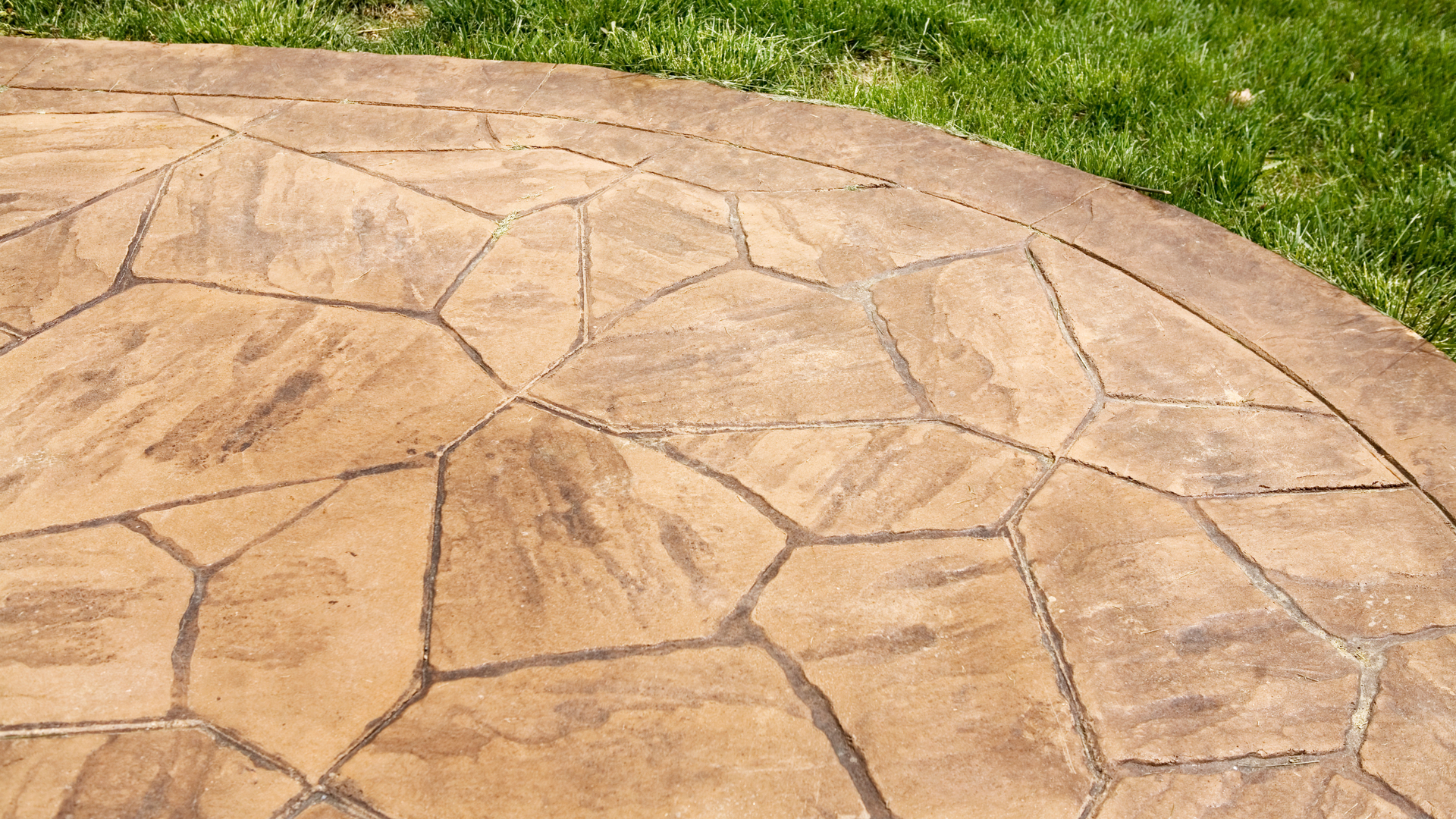
No. Decorative finishes such as stamping or coloring do not change structural thickness requirements. The slab thickness is determined by load and usage, not surface appearance.
How long does a concrete patio last?
A properly installed patio can last several decades when the slab thickness, reinforcement, and drainage are designed correctly.
Work With a Residential Concrete Patio Contractor in Ocala
Concrete patio thickness may not be visible after installation, but it plays a major role in long-term performance.
The correct slab thickness, reinforcement, and base preparation help ensure the patio remains stable, safe, and visually appealing for many years.
C1 Foundations works with homeowners throughout Ocala to design and install patios with proper slab preparation, reinforcement, and drainage suited for Florida conditions.
If you are planning a patio project and want guidance on slab thickness, layout, and installation, contact C1 Foundations to schedule a consultation.