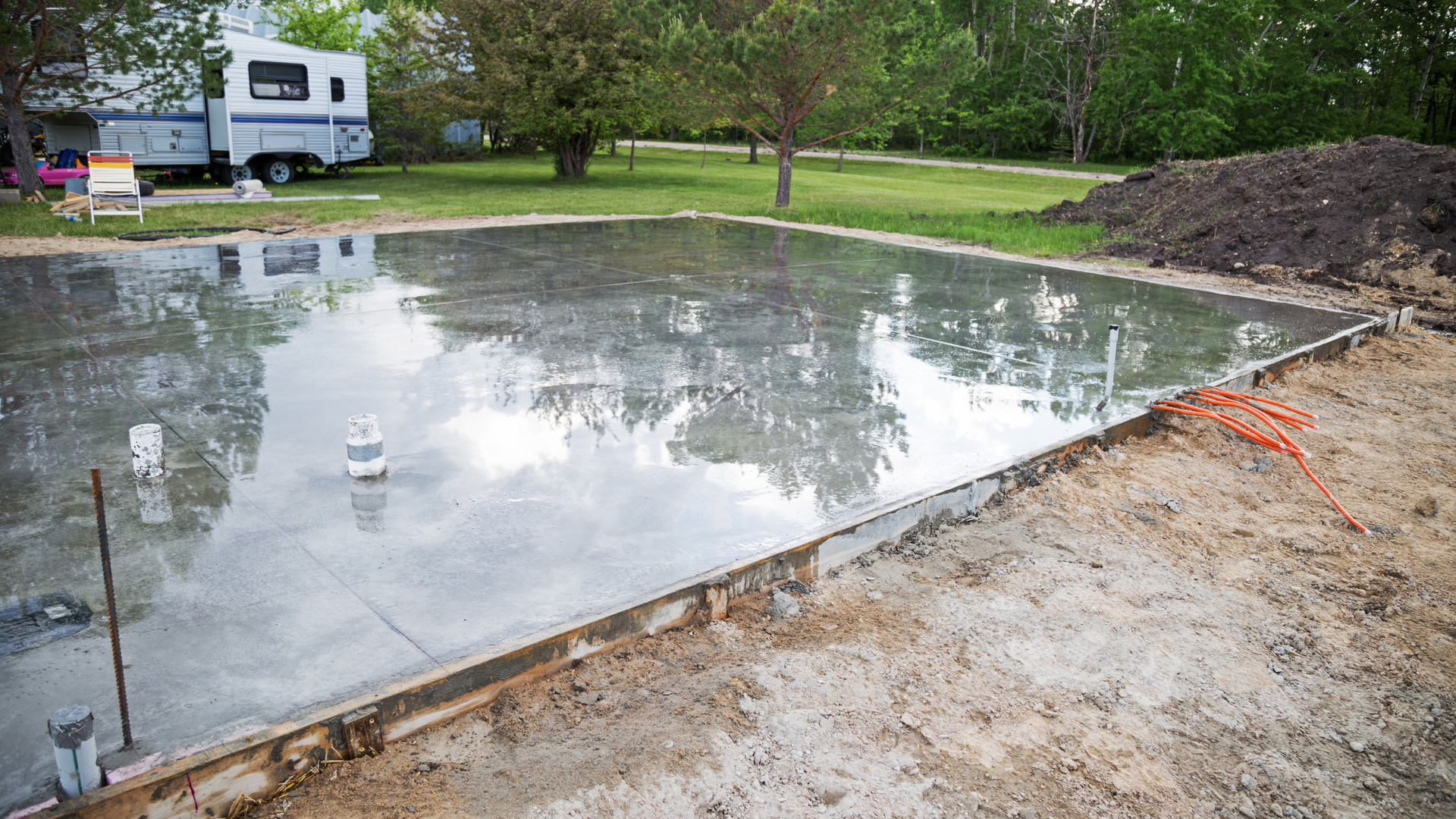
Can You Pour Concrete in Winter in Florida? (Why It Is Actually Ideal)
If you have a driveway, patio, or slab project on your mind and you're wondering whether you should wait until spring or summer to get it done, here's the short answer that might surprise you: winter is one of the best times of year to pour concrete in Florida. While homeowners up north have to fight frozen ground and freezing temperatures, Central Florida gives you the opposite problem solved for you. Our mild, dry winters create close to ideal conditions for a strong, clean, long-lasting pour.

That runs against what most people assume. Search "pouring concrete in winter" and you'll find article after article about frost heaving, insulated blankets, and heaters, all written for climates that look nothing like Ocala. This guide clears up the confusion, explains why winter actually works in your favor here in Marion County, walks through the one thing local crews do watch for on our coldest nights, and helps you plan a project that turns out right the first time.
The Short Answer: Yes, and Here Is Why Winter Wins in Florida
Concrete cures best in mild, stable, moderate conditions. It doesn't want to be too hot, too cold, too wet, or too windy. When you look at what Ocala's winter actually delivers, you can see why local contractors quietly consider it prime pouring season.
During our summer, concrete crews are fighting intense heat and near-daily afternoon thunderstorms. In July, Ocala sees rain on roughly 21 days of the month, and the heat pulls moisture out of fresh concrete far too fast, which can lead to surface cracking. Winter flips all of that. December averages only about 6 to 7 rainy days, humidity settles into a comfortable range, and daytime highs sit in the pleasant upper 60s to around 70°F. That combination of dry days, mild temperatures, and lower moisture loss is close to textbook for a quality pour.
So the real question in Florida isn't whether you can pour in winter. It's why you would wait for the hotter, wetter, more difficult months when the calmest season is right in front of you.
Rethinking "Cold-Weather" Concrete: Dry-Season Advantages
Most cold-weather concrete advice online is written for places where winter means frozen ground and sub-freezing days for weeks at a time. That's a real concern in Ohio or Colorado. It is not the situation in Central Florida, where snow essentially never falls and daytime temperatures stay mild. Instead of thinking about winter here as a cold-weather risk, it's more accurate to think of it as a dry-season advantage. Here's what that season gives your project.
Fewer Rain Delays and Cleaner Scheduling
Rain is the enemy of a good pour and a predictable timeline. Water landing on fresh concrete can weaken the surface and ruin the finish, and a soaked subgrade can throw off the whole job. Because winter is Ocala's driest stretch, with roughly a third of the rainy days you'd see in mid-summer, projects are far less likely to get pushed, paused, or damaged by a surprise downpour. That means a smoother schedule and less waiting on your end.
Milder Heat Means Better Curing
Concrete gains its strength through hydration, a chemical reaction that needs moisture and time. When it's blazing hot, fresh concrete loses surface moisture too quickly, which is a leading cause of shrinkage cracks and that spiderweb "crazing" you sometimes see on driveways. Winter's cooler, milder air lets concrete hold its moisture and cure at a steadier, healthier pace. The result is often a stronger, better-looking finished surface.
More Comfortable Conditions, Better Workmanship
This one is simple but real. A crew working in comfortable 68°F weather does more careful, precise finishing work than a crew battling 95°F heat and humidity. Better conditions tend to produce better craftsmanship, especially on decorative finishes where the details matter.
Easier to Book Before the Busy Season
Spring and summer are peak demand for concrete work. Scheduling your project in the winter can mean shorter lead times and more flexibility, so your driveway or patio is finished and cured well before the busy season arrives.
The One Thing Local Crews Watch: The 45°F and Rising Rule
Winter in Ocala is mild, but it isn't perfectly uniform. On our coldest nights, temperatures can occasionally dip into the 40s. This is where an experienced local contractor earns their keep, because concrete does have a temperature floor.
Concrete needs to stay warm enough for hydration to keep working. The American Concrete Institute defines "cold weather" concreting as when the air temperature drops below 40°F (ACI 306). Below that point, the chemical reaction that builds strength slows down dramatically and, in freezing conditions, can stall entirely. That is rarely a daytime concern here, but it's why a careful crew pays attention to overnight lows.
The practical guideline good crews follow is simple: pour when it's 45°F and rising, not falling. Since Ocala's winter days warm up nicely and freezing is uncommon, this usually just means timing the pour for the morning so the concrete has the whole warm day to gain early strength before the cooler night sets in. On the rare occasion an overnight dip is a real risk, protective measures like insulating blankets or curing compounds can be used to hold in warmth. In practice, though, our winters make this an easy box to check rather than a major hurdle. The takeaway for you as a homeowner: this is exactly the kind of local judgment you want from your contractor, and it's a big reason to hire a crew that actually knows Marion County's climate rather than one applying generic national rules.
Winter vs. Summer Pouring in Florida: A Side-by-Side Look
To make the seasonal tradeoffs concrete (pun intended), here's how the two ends of the year compare for a typical Ocala project.
| Factor | Florida Winter (Dec-Feb) | Florida Summer (Jun-Aug) |
|---|---|---|
| Rain frequency | Low (about 6-7 rainy days in December) | High (about 21 rainy days in July) |
| Daytime temperature | Mild (upper 60s to ~70F) | Hot (highs near 90F+) |
| Moisture loss during cure | Slow and steady (good) | Fast (raises crack risk) |
| Curing quality | Excellent in mild air | Needs extra protection from heat |
| Main thing to watch | Occasional cool overnight lows | Heat and afternoon storms |
| Scheduling & availability | Easier to book, fewer delays | Peak demand, more weather delays |
| Overall for Ocala | Ideal pouring conditions | Workable but more challenging |
The pattern is clear. Winter's only real watch-item is the occasional cool night, which is easily managed, while summer brings both heat stress and constant rain risk. For most Ocala homeowners, winter is the smoother path to a quality result.
What Winter Is Good For: Project Types
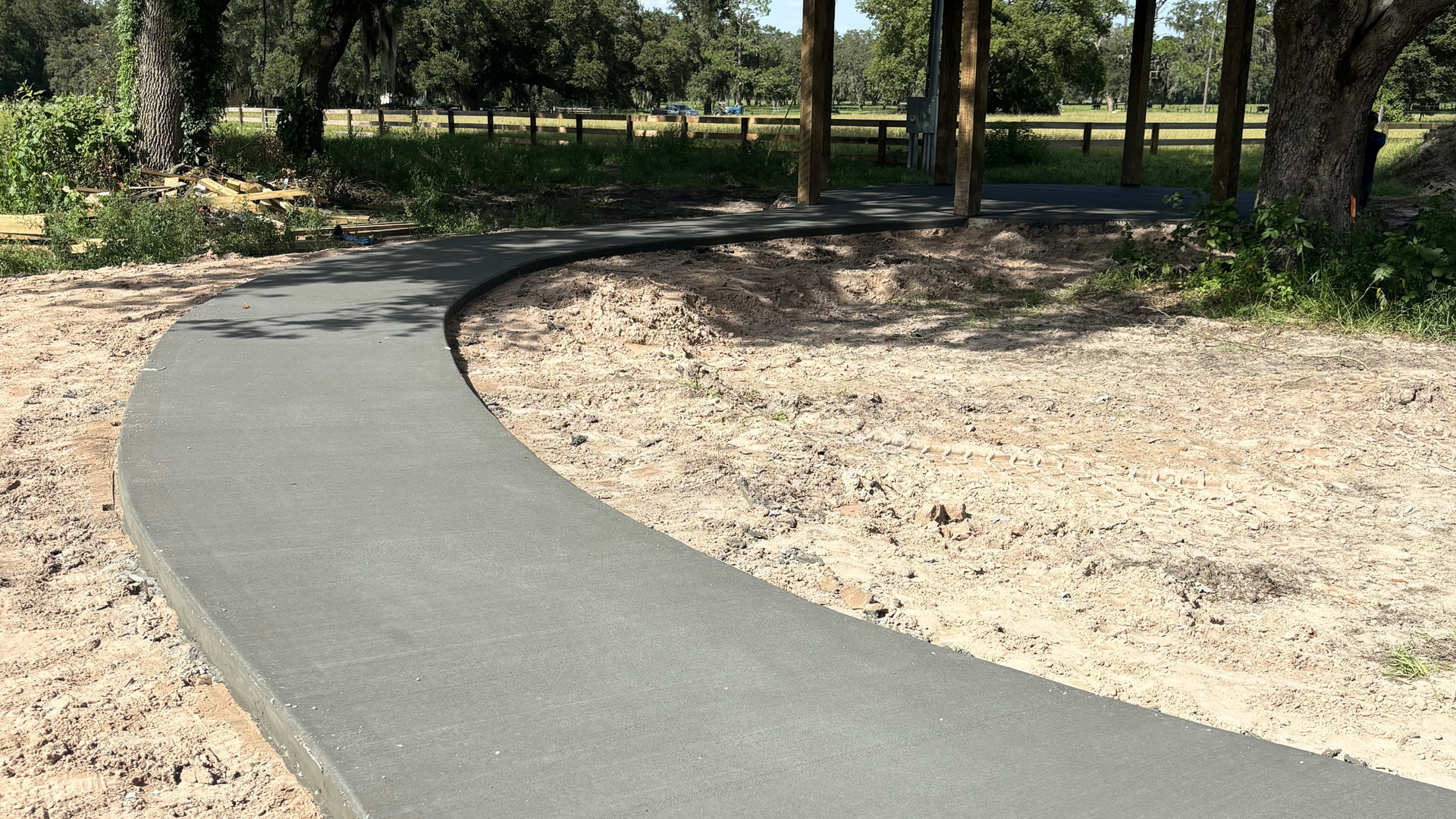
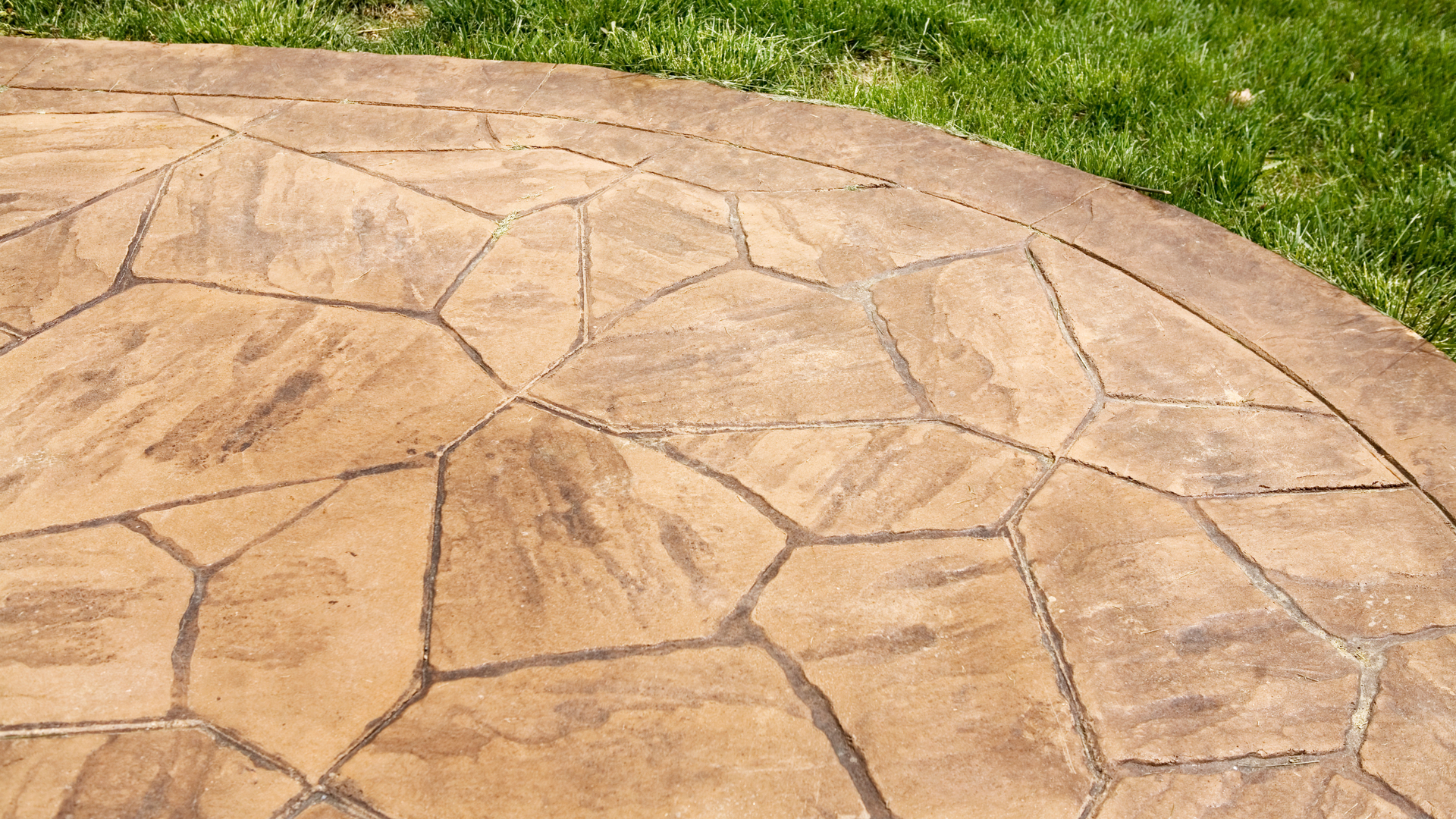
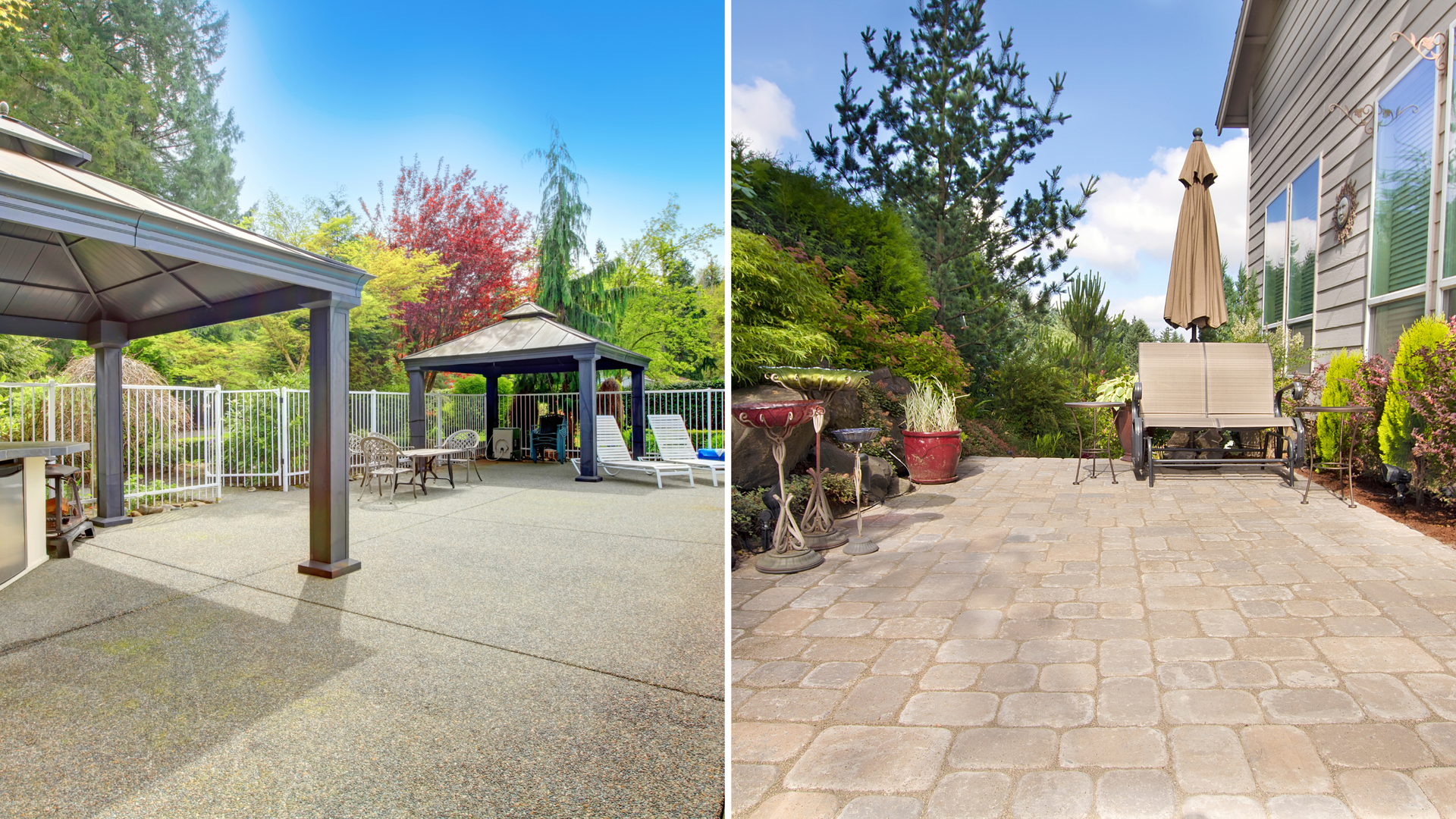
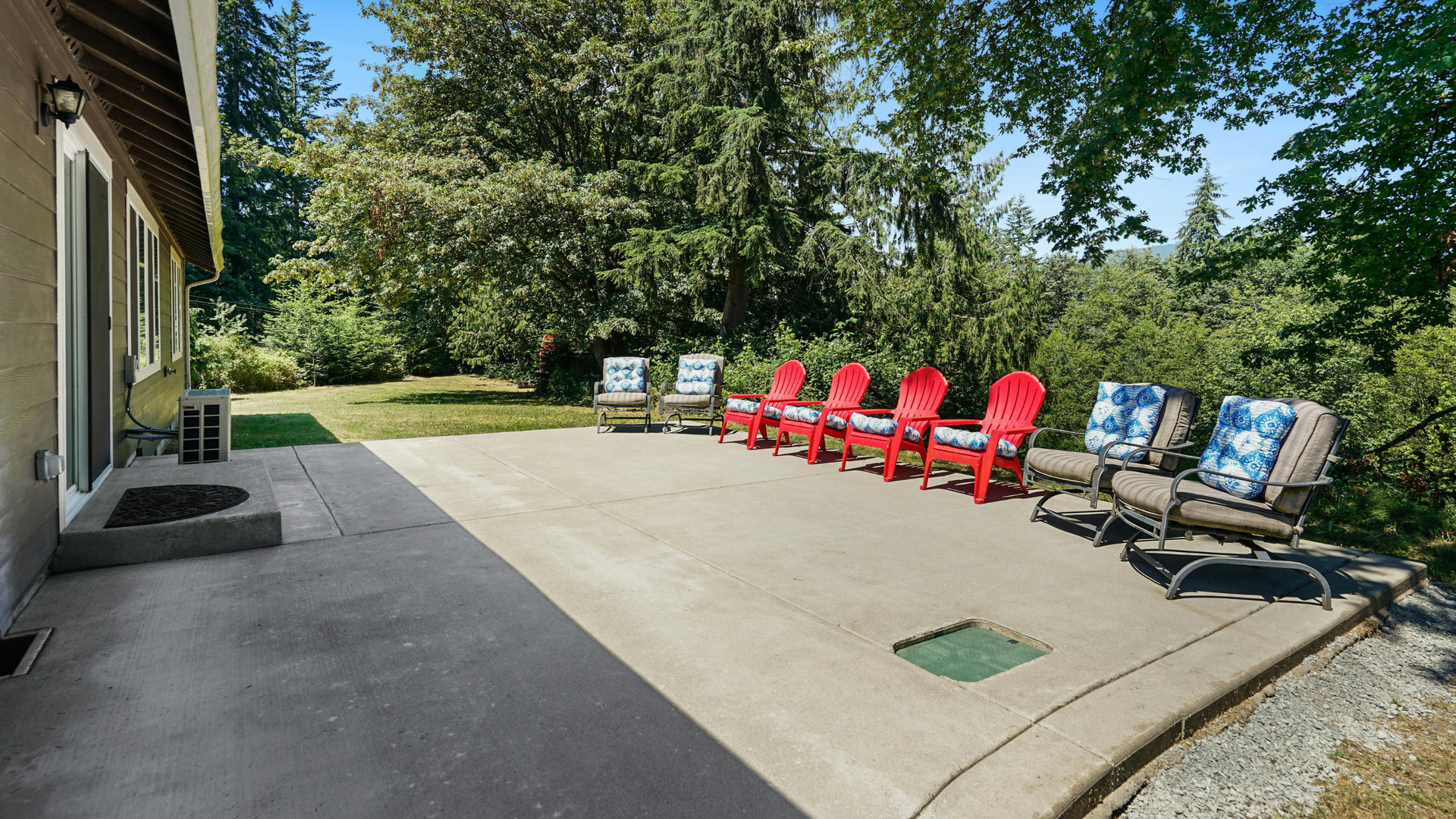
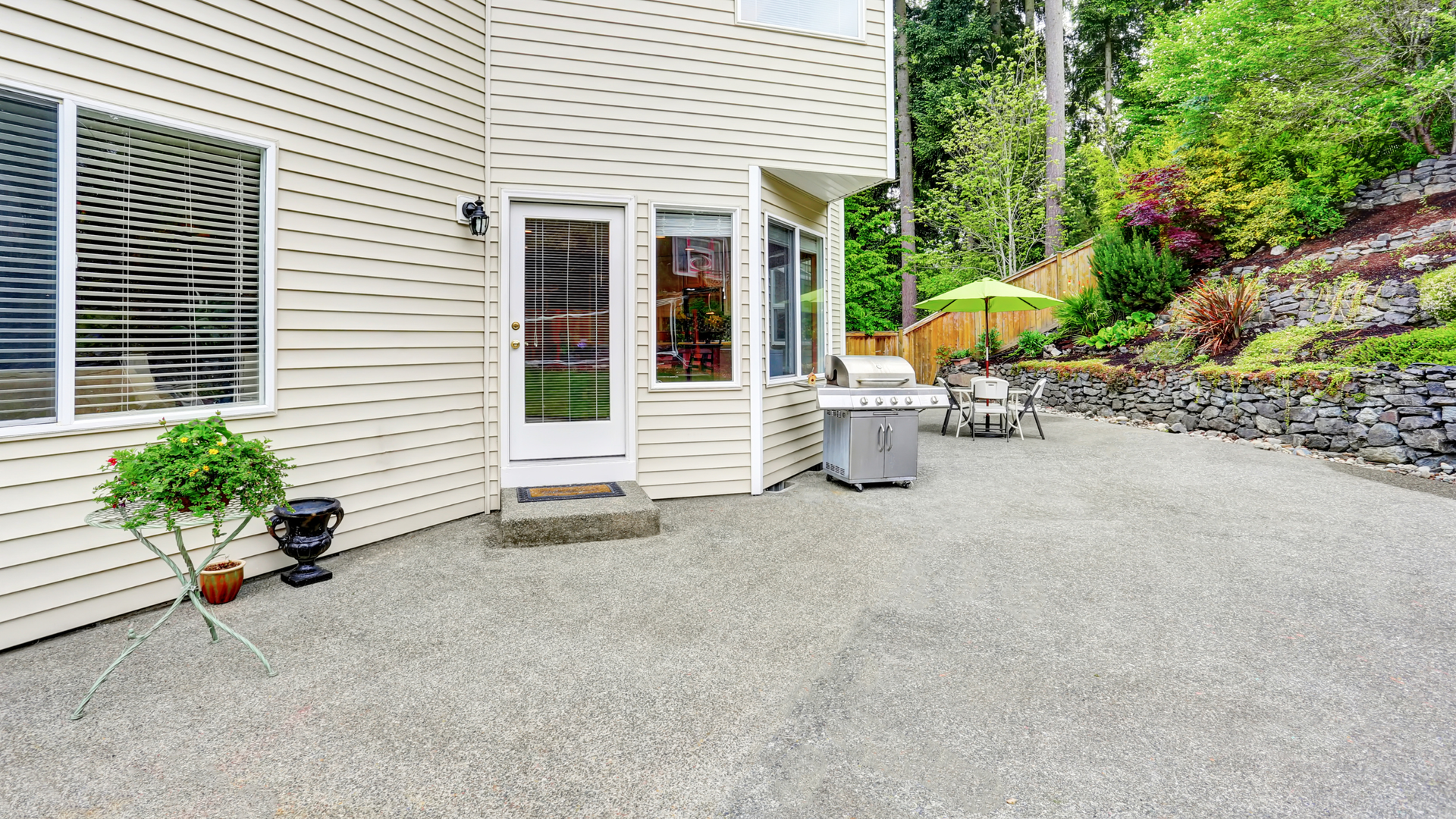
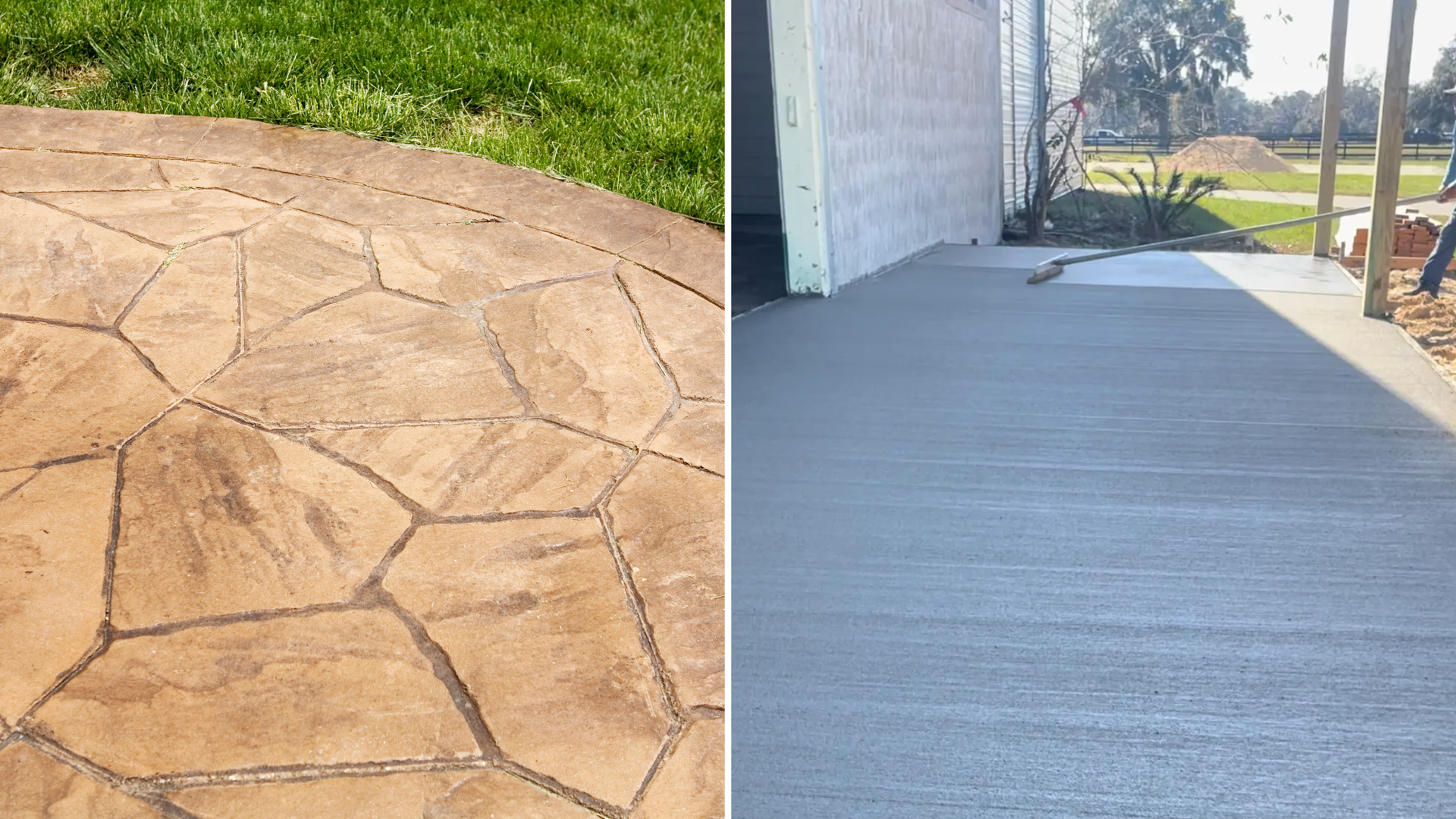
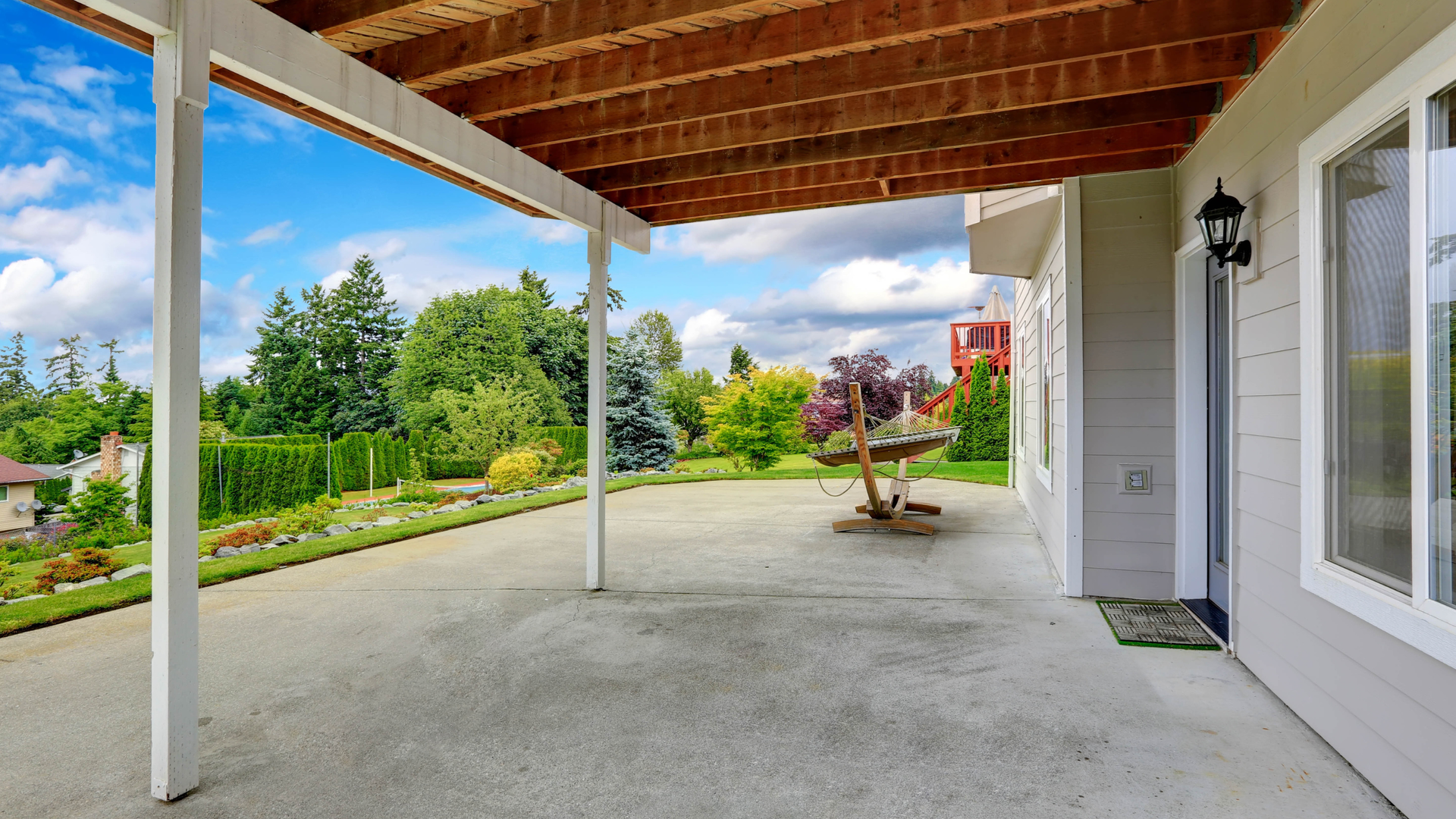
The dry-season advantage applies across the residential projects Ocala homeowners most often plan. A new concrete driveway is a great winter project, since the dry weather protects the large surface during its critical early curing days and you get it finished before spring. Patios benefit too, because cooler air helps decorative and stamped finishes cure cleanly without the rushing that summer heat forces. Slabs for sheds, additions, and garages pour predictably in winter's stable conditions. Walkways, sidewalks, and other flatwork round out the list, all benefiting from the same steady curing and reliable scheduling.
If your project involves a decorative or stamped surface, winter is an especially smart choice, because those finishes reward the patient, careful curing that mild weather allows.

Planning Your Winter Concrete Project: A Simple Timeline
Getting a winter pour right is mostly about sensible planning. Here's how a typical project flows.
Plan and get your estimate early. Winter fills up as word gets out that it's a good season to pour. Reaching out in late fall or early winter gives you the best pick of dates.
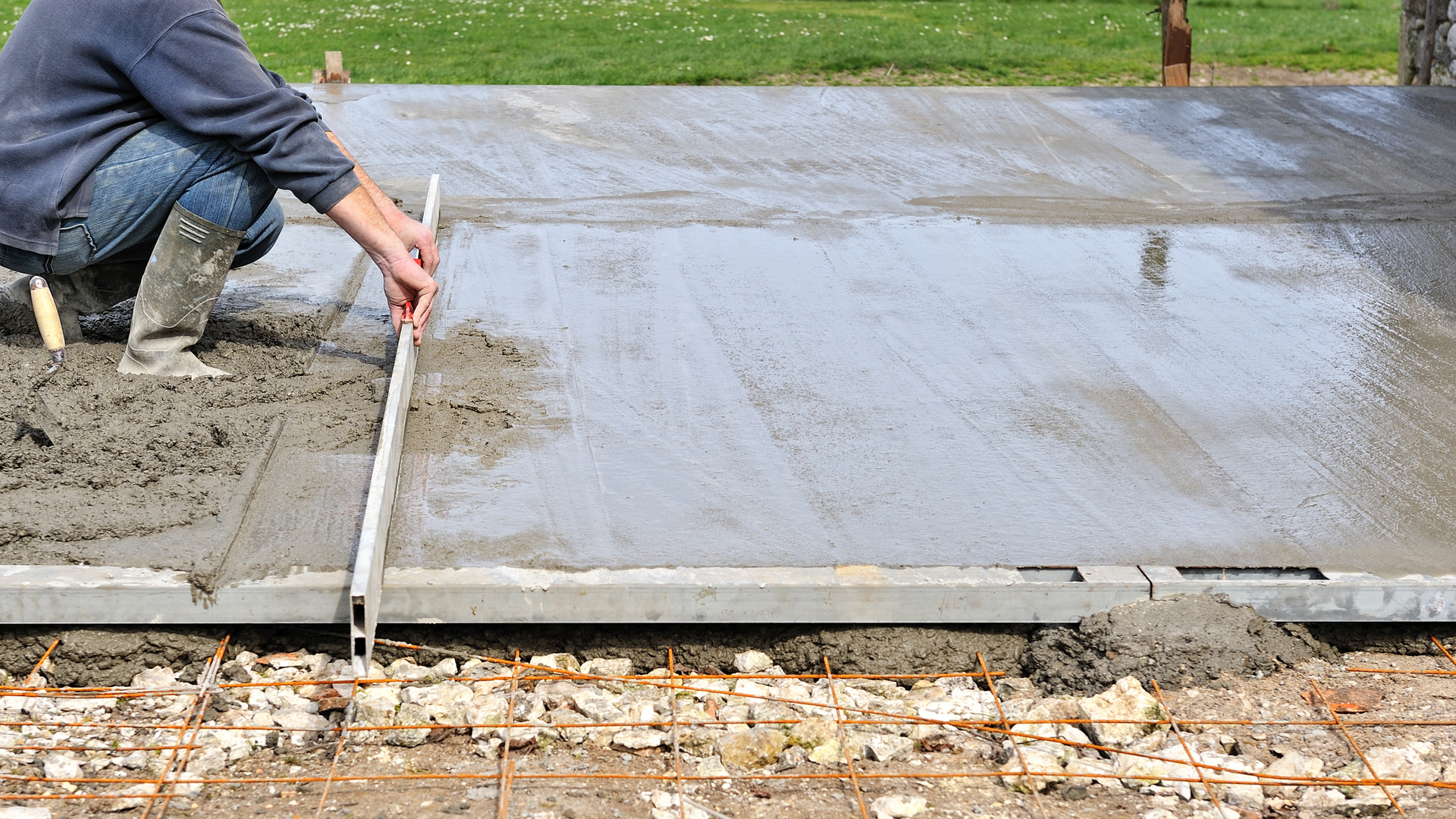
Confirm the site is properly prepped. A compacted, well-graded base and good drainage matter in every season. Your crew will assess grading, excavate to the right depth, and prepare a stable subbase before anything is poured.
Time the pour for a warm, dry window. Your contractor watches the forecast and schedules the pour for a mild, rain-free day, ideally in the morning so the concrete gains strength through the warm daylight hours.
Let it cure properly. Even in ideal winter conditions, curing is where strength is built. A good crew protects the surface as needed and gives the concrete the time it needs before it carries weight.
Follow up with maintenance. Once your surface is cured, simple upkeep keeps it strong for decades. Sealing and routine care go a long way, and the same principles that protect a patio protect a driveway or walkway. Our guidance on concrete patio maintenance in Ocala walks through sealing and long-term care.
Common Winter Pouring Myths, Cleared Up
A few misconceptions keep Florida homeowners from taking advantage of the best pouring season. Let's put them to rest.
"You can't pour concrete in winter." True in the frozen north, false in Florida. Our mild, dry winters are close to ideal. The blanket advice you find online is written for climates with frozen ground, not Central Florida.
"Concrete won't cure when it's cool." It cures just fine in Ocala's winter temperatures. Curing only becomes a concern below about 40°F, which is rare here and easily managed by timing the pour and, if ever needed, protecting the concrete overnight.
"I should wait for summer to be safe." Summer actually brings more risk in Florida, not less, thanks to intense heat that speeds moisture loss and near-daily storms that cause delays and surface damage.
"Winter pours take much longer to cure." Cooler weather can slightly slow the pace of strength gain compared to a hot day, but that steadier cure is often a benefit, producing a stronger, less crack-prone surface. A good contractor plans the timeline around it.
When to Call a Professional
Concrete work rewards experience, and winter pouring in Florida is a perfect example of where local knowledge pays off. A contractor who knows Marion County can read the forecast, time the pour around our occasional cool nights, prep the base for our sandy soil, and handle the curing so your project turns out strong and clean. If you're weighing whether to move forward this winter or wait, a quick conversation with a local pro will give you a clear, honest answer for your specific project and site.
The Bottom Line
Can you pour concrete in winter in Florida? Not only can you, it's one of the smartest times to do it. Ocala's mild, dry winters give you fewer rain delays, better curing conditions, more careful workmanship, and easier scheduling than the hot, stormy summer months. The only real consideration is our occasional cool overnight low, and that's an easy, routine adjustment for a crew that knows the area. Rather than a season to avoid, winter is a season to take advantage of.
If you're planning a driveway, patio, slab, or walkway and want to make the most of Florida's best pouring season, C1 Foundations can help. As a local, family-owned, fully licensed and insured Ocala concrete contractor, we know exactly how to plan and pour around Central Florida's winter conditions for a result that lasts. Contact us for a free estimate and let's get your project on the winter schedule.
Frequently Asked Questions
Can you pour concrete in the winter in Florida?
Yes. Central Florida's mild, dry winters create close to ideal conditions for pouring concrete. Unlike northern climates that deal with frozen ground, Ocala rarely sees freezing temperatures, and winter is the driest time of year, which means fewer rain delays and better curing. The main thing a local crew watches for is the occasional cool overnight low.
Is winter really a better time to pour concrete than summer in Florida?
For most projects, yes. Summer in Ocala brings intense heat that pulls moisture out of concrete too fast (raising crack risk) plus near-daily afternoon storms that cause delays. Winter offers mild temperatures, far fewer rainy days, and steadier curing, which often produces a stronger, cleaner finished surface.
How cold is too cold to pour concrete?
The American Concrete Institute defines cold-weather concreting as below 40°F (ACI 306). Below that, the hydration reaction that builds strength slows significantly. In Ocala this is rarely a daytime issue, so crews follow a simple rule: pour when it's about 45°F and rising, usually in the morning, so the concrete gains strength through the warm day.
Will concrete cure properly in Florida's winter temperatures?
Yes. Ocala's winter daytime temperatures are well within the range for proper curing. Cooler air actually helps concrete retain moisture and cure at a steady, healthy pace. Curing only becomes a real concern below about 40°F, which is uncommon here and easily managed by timing the pour or protecting the concrete overnight if needed.
What kinds of projects can I pour in winter?
Driveways, patios, slabs for sheds and additions, walkways, and sidewalks are all excellent winter projects in Ocala. Decorative and stamped finishes especially benefit from winter's mild, steady curing conditions.
Should I wait until spring or summer for my concrete project?
Usually there's no need to wait, and waiting often means more weather risk, not less. Winter's dry, mild conditions and easier scheduling make it one of the best times to pour in Central Florida. Booking early in the season gives you the best choice of dates.