Concrete Sidewalks and Walkways in Ocala: Cost, Design, and What Homeowners Should Know
Concrete sidewalks and walkways do more than connect one part of a property to another. They improve safety, create cleaner access, support curb appeal, and make outdoor spaces easier to use. For Ocala homeowners, a well-planned walkway can also help manage foot traffic, protect lawn areas, and create better flow between driveways, patios, entries, gardens, and backyard spaces.
The key is planning the walkway correctly from the start. Width, thickness, slope, finish, drainage, and placement all affect how well the concrete performs over time. This guide explains what homeowners should know before installing a concrete sidewalk or walkway in Ocala, including design options, cost factors, maintenance needs, and common mistakes to avoid.
If you are planning other outdoor concrete work, this topic connects closely with
Concrete Patios in Ocala, especially when walkways lead to backyard seating areas, pool spaces, or outdoor living zones.
Why Concrete Walkways Are a Smart Choice for Ocala Homes
Concrete is one of the most practical materials for residential sidewalks and walkways because it provides a stable, durable, and low-maintenance surface. In Ocala, where outdoor areas deal with heat, rain, moisture, and regular foot traffic, a properly installed concrete walkway offers dependable performance.
Concrete walkways work well for:
- Front entry paths
- Side yard access
- Backyard walkways
- Garden paths
- Driveway-to-door connections
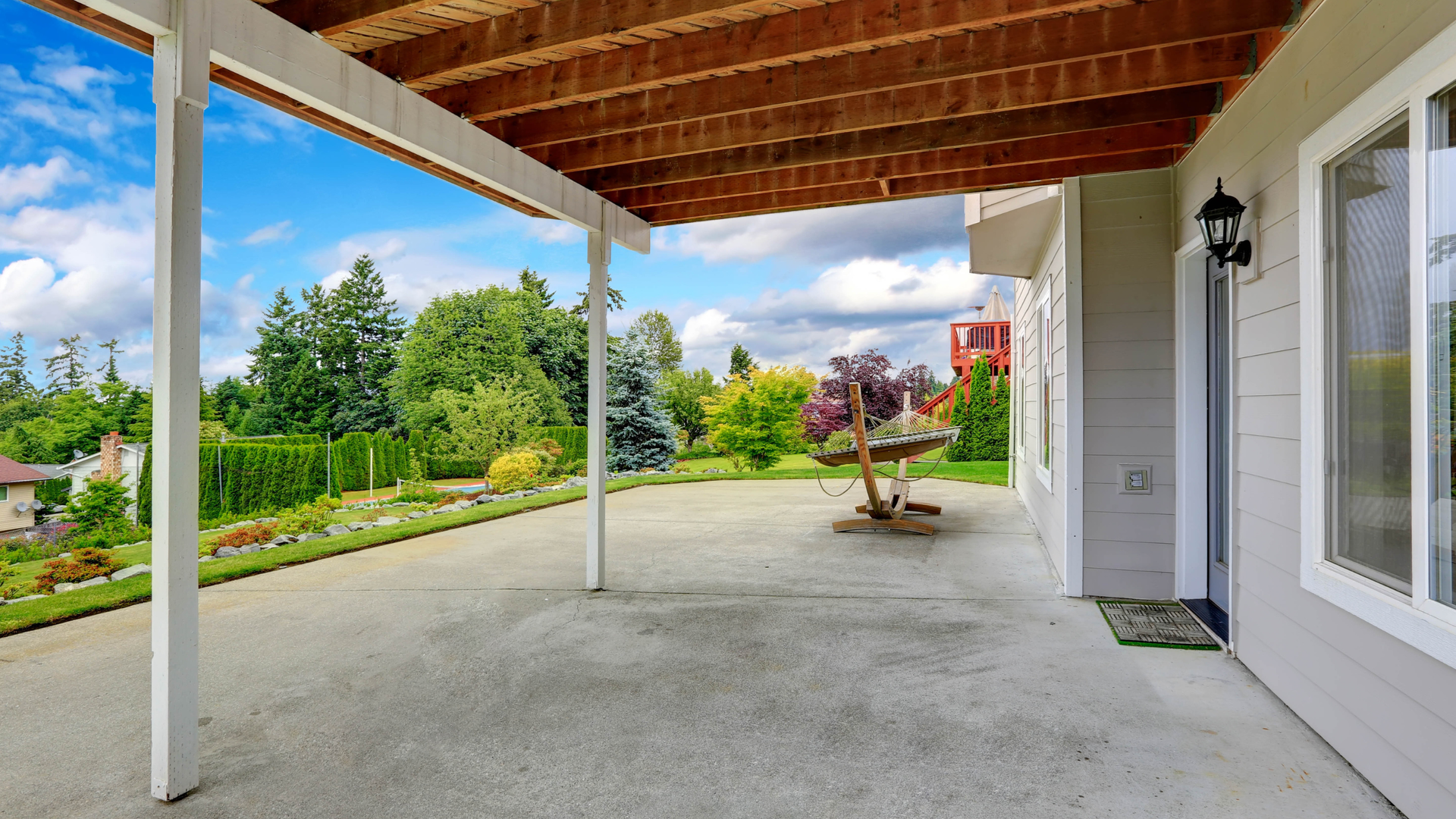
- Patio and pool access routes
- Walkways around detached garages, sheds, or workshops
The best walkway designs are not only attractive. They are also functional, properly sloped, and placed where people naturally walk.
Concrete Sidewalk vs Concrete Walkway: What Is the Difference?
The terms sidewalk and walkway are often used together, but homeowners may use them in slightly different ways.
Concrete Sidewalks
A sidewalk is usually more formal and direct. It often runs along the front of a home, connects the driveway to the entry, or provides a clear path from the street.
Sidewalks are commonly designed for:
- Front entrances
- Driveway access
- Street-facing properties
- More direct foot traffic
Concrete Walkways
A walkway can be more flexible in layout. It may curve through a yard, connect outdoor living spaces, or guide guests through landscaping.
Walkways are commonly used for:
- Backyard paths
- Garden access
- Patio connections
- Pool or outdoor feature access
- Decorative landscape routes
Both require proper base preparation, thickness, reinforcement, and drainage planning.
Common Concrete Walkway Design Options
Concrete walkways can be simple or decorative depending on the home’s style, budget, and intended use.
Standard Broom-Finished Walkways
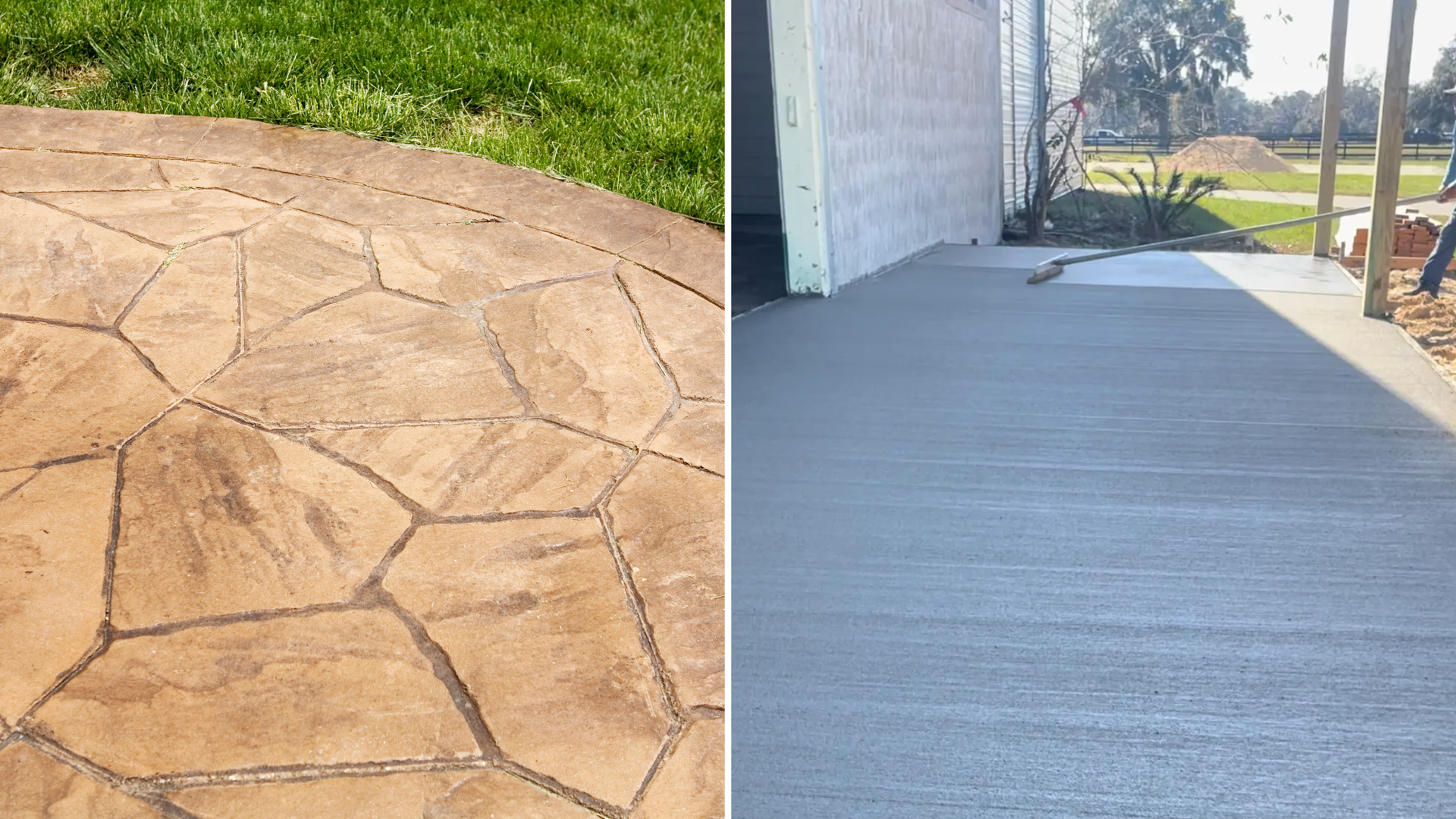
A broom finish is one of the most common choices for sidewalks and walkways. It creates a lightly textured surface that improves traction, especially when wet.
This finish is a strong choice for:
- Front entry sidewalks
- Side yard paths
- Practical everyday access
- Budget-conscious projects
A broom-finished walkway is simple, clean, and easy to maintain.
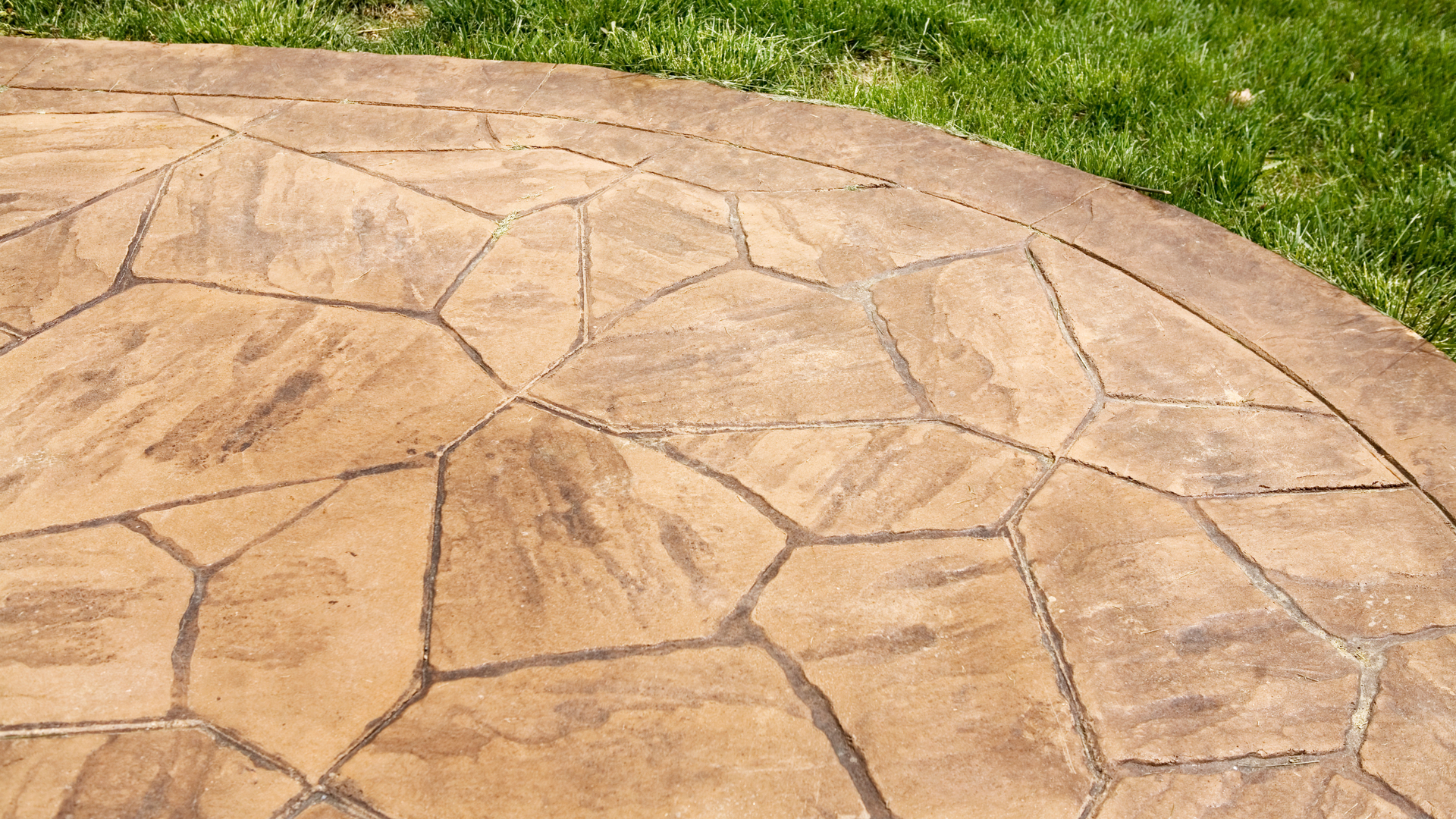
Stamped Concrete Walkways
Stamped concrete creates the look of stone, brick, or tile while keeping the strength of a poured concrete surface. This is a good option when the walkway is part of a more decorative landscape or patio design.
Stamped walkways pair well with outdoor living spaces, garden areas, and decorative patios. Homeowners comparing finish options may also want to review stamped concrete installation in Ocala to understand pattern, color, and maintenance considerations.
Colored Concrete Walkways
Colored concrete adds visual interest without changing the basic slab design. It can help the walkway coordinate with the home exterior, driveway, patio, or landscaping.
Common color choices include:
- Warm tan
- Light gray
- Charcoal
- Earth tones
- Stone-inspired shades
Color should be selected with long-term exposure in mind since Florida sun can affect surface appearance over time.
Curved Walkways
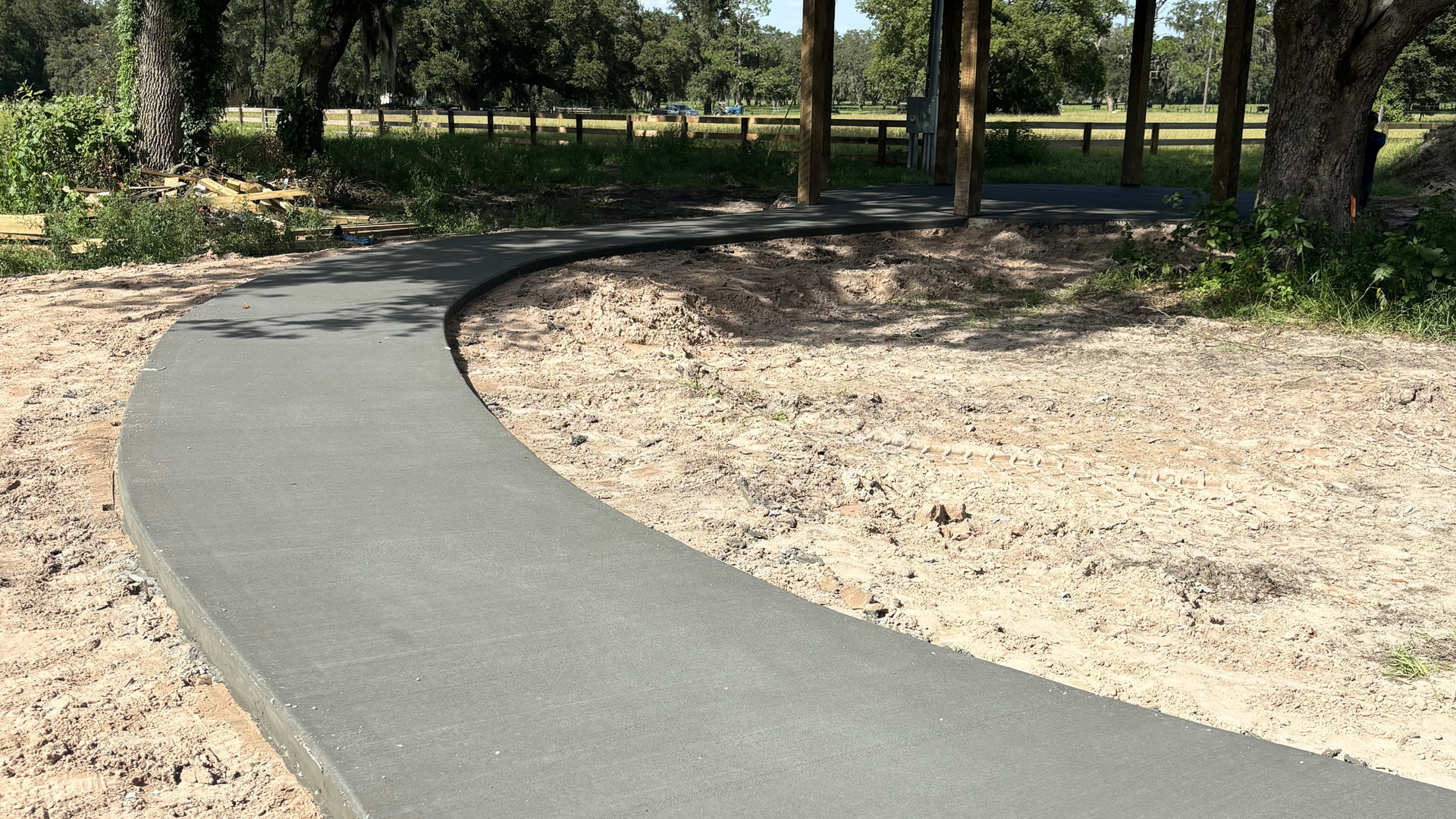
Curved walkways create a softer, more natural look. They work especially well in landscaped yards, garden areas, and outdoor spaces where the path is part of the visual design.
Curved layouts require careful forming and planning, but they can make the property feel more custom and inviting.
Straight Walkways
Straight walkways are clean, efficient, and practical. They are often best for front entries, side yards, and utility access areas where function matters most.
A straight layout is usually more cost-effective than a curved layout because forming and finishing are simpler.
Recommended Concrete Walkway Width and Thickness
Walkway size affects comfort, appearance, and long-term performance.
Typical Walkway Widths
Most residential walkways range from 3 to 5 feet wide.
| Walkway Type | Recommended Width | Best Use |
|---|---|---|
| Narrow access path | 3 feet | Side yards or garden paths |
| Standard residential walkway | 4 feet | Front entries and everyday foot traffic |
| Wider walkway | 5 feet or more | Main entrances, shared access, or larger homes |
A 4-foot-wide walkway is often the best balance for most homeowners. It allows comfortable walking without taking up unnecessary yard space.
Typical Walkway Thickness
Most residential concrete sidewalks and walkways are 4 inches thick when used for foot traffic only.
A thicker slab may be needed if the walkway will support:
- Small equipment
- Golf carts
- Utility vehicles
- Heavy landscape features
- Occasional vehicle crossing
For heavier use, thickness may increase to 5 or 6 inches depending on the project.
What Goes Under a Concrete Walkway?
The surface is only part of the project. The base beneath the concrete has a major effect on long-term performance.
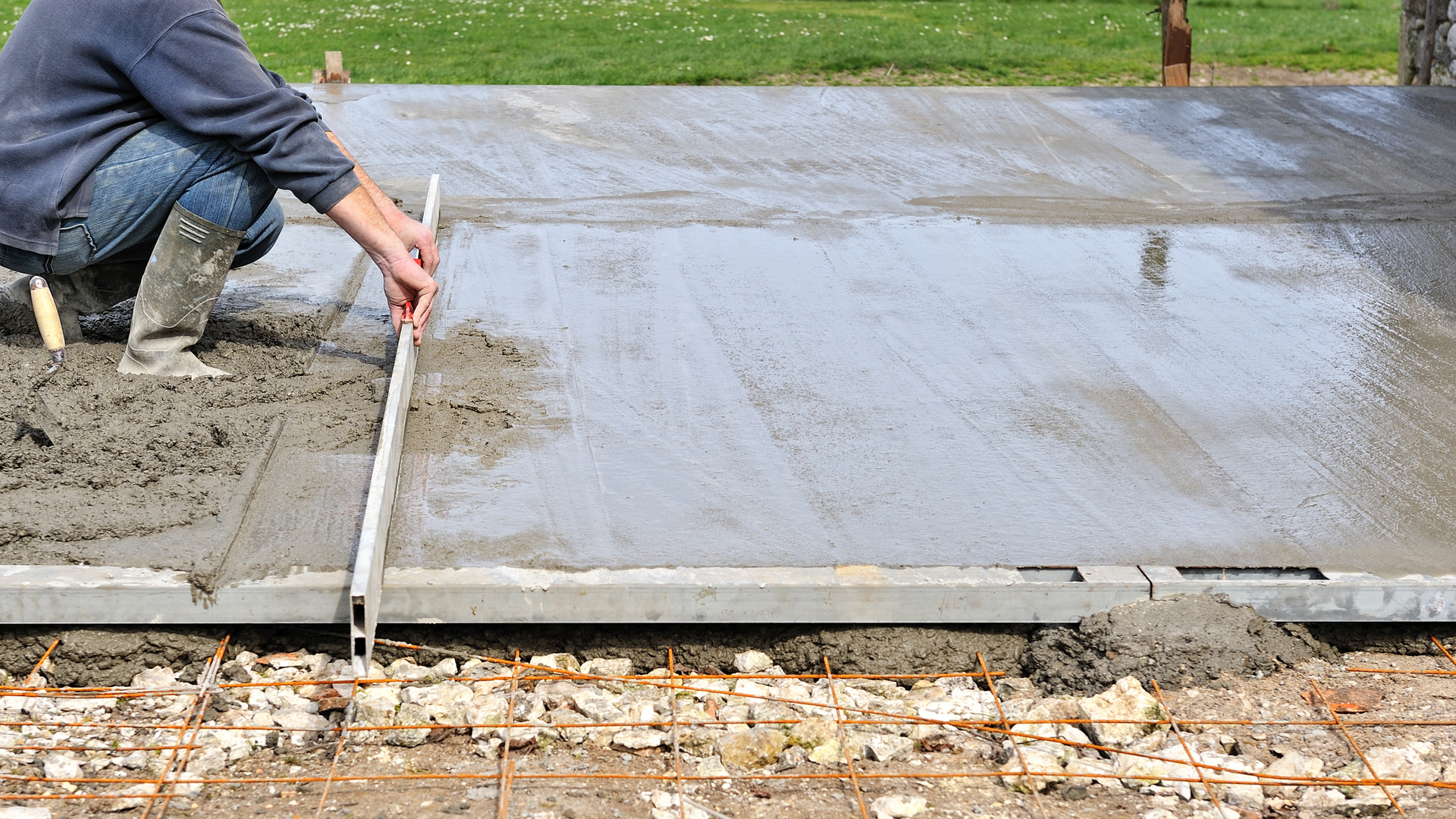
Proper Excavation
The area must be excavated to the right depth so the finished walkway sits at the correct height. Poor elevation planning can create drainage issues or awkward transitions.
Compacted Soil
Loose soil causes settling. The soil beneath the walkway should be compacted before concrete is placed.
Gravel Base
A gravel base improves drainage and helps create a more stable surface for the concrete. This is especially important in areas where water may collect.
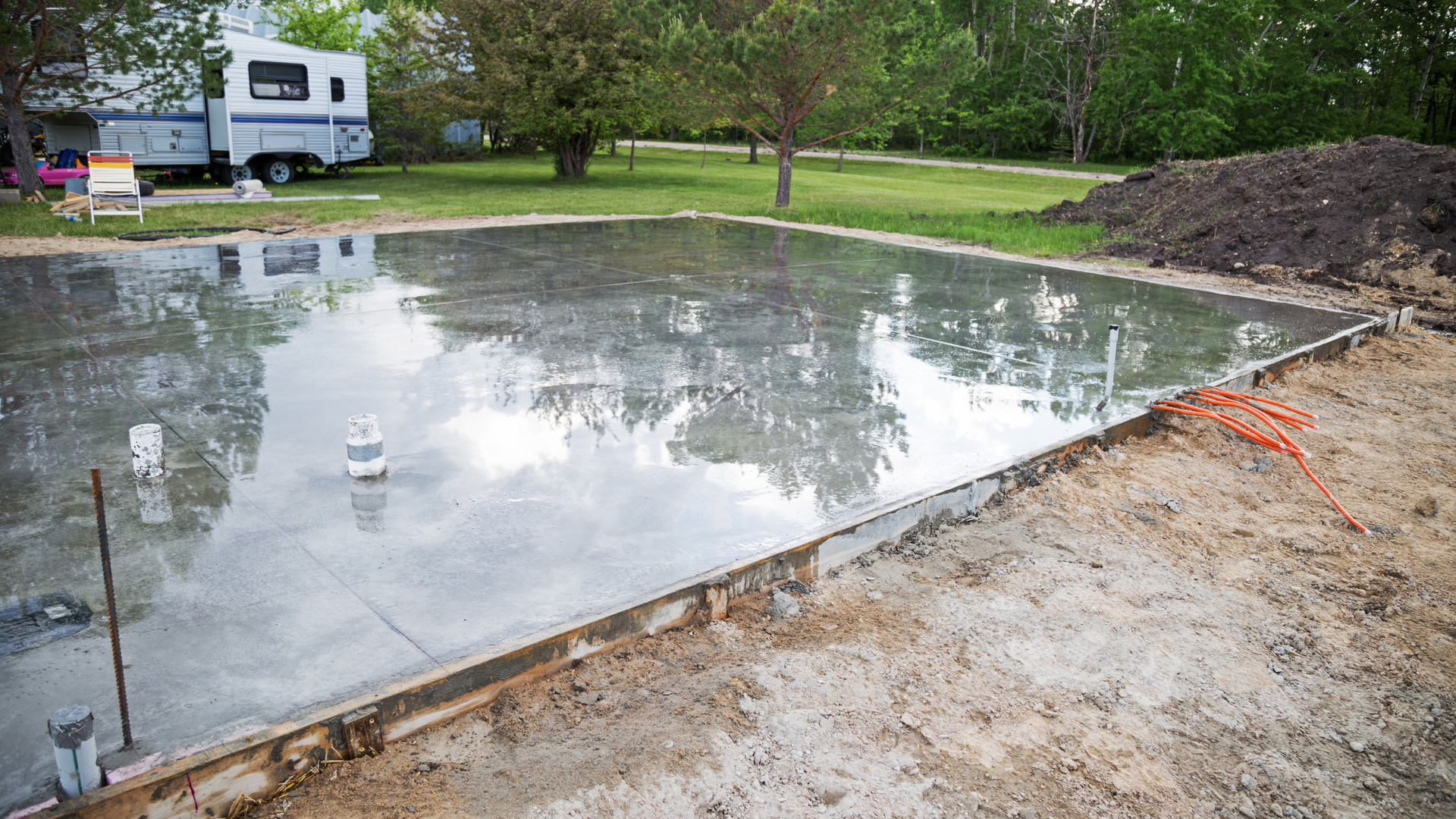
These same base preparation principles apply to
residential concrete slabs in Ocala, where soil support and drainage play a major role in long-term performance.
Drainage Planning for Concrete Walkways
Drainage is one of the most important parts of sidewalk and walkway installation in Ocala. Heavy rain and moisture can create problems if water does not move away from the concrete.
A properly installed walkway should:
- Slope slightly away from the home
- Avoid directing water toward foundations
- Prevent standing water on the surface
- Work with surrounding yard grades
Poor drainage can lead to surface staining, soil erosion, settlement, and cracking.
If the walkway connects to a driveway, the slope should also work with
concrete driveway installation in Ocala
so water flows across the property correctly.
Concrete Sidewalk and Walkway Cost in Ocala
Concrete walkway cost depends on size, thickness, finish, site access, and preparation needs. A simple straight walkway with a broom finish will cost less than a curved stamped walkway with color and detailed borders.
Estimated Concrete Walkway Cost in Ocala
| Walkway Type | Typical Thickness | Estimated Cost Range |
|---|---|---|
| Standard broom-finished walkway | 4 inches | $14 to $22 per sq ft |
| Wider reinforced walkway | 4 to 5 inches | $18 to $28 per sq ft |
| Colored concrete walkway | 4 inches | $22 to $34 per sq ft |
| Stamped concrete walkway | 4 to 5 inches | $30 to $45+ per sq ft |
| Heavy-use walkway or golf cart path | 5 to 6 inches | $28 to $45+ per sq ft |
These ranges are estimates for professionally installed concrete walkways with proper preparation. Final pricing depends on layout, access, drainage, finish, and site conditions.
What Factors Affect Walkway Pricing?
Several factors influence the final cost of a concrete walkway.
Walkway Length and Width
Longer and wider walkways require more concrete, labor, forming, and finishing.
Finish Type
Broom finishes are usually the most cost-effective. Stamped, colored, or decorative finishes increase labor and material costs.
Layout Complexity
Straight walkways are usually easier and more affordable to install. Curved walkways require more forming and layout work.
Site Preparation
If the area needs grading, excavation, root removal, or drainage correction, the cost may increase.
Access to the Work Area
Backyard walkways and tight side yards may require more labor if equipment access is limited.
Reinforcement Needs
Wire mesh, rebar, or fiber reinforcement may be recommended depending on soil conditions and intended use.
Homeowners comparing project budgets can also review
concrete slab cost in Ocala to better understand how thickness, reinforcement, and preparation affect pricing.
How Long Does a Concrete Walkway Last?
A properly installed concrete walkway can last 25 to 40 years or more with routine care. Longevity depends on installation quality, drainage, soil stability, and maintenance.
Key factors that help extend lifespan include:
- Proper base preparation
- Correct slab thickness
- Good drainage
- Proper control joints
- Regular cleaning
- Sealing when needed
Concrete does not need complicated maintenance, but it should not be ignored.

Maintenance Tips for Concrete Walkways
Concrete walkways are relatively low maintenance, but small steps can help preserve their appearance and performance.
Clean the Surface Regularly
Leaves, dirt, and organic debris can hold moisture against the surface. Regular sweeping and occasional rinsing help prevent staining.
Watch for Drainage Issues
If water begins pooling near the walkway, it may point to grading or settlement problems.
Seal Decorative Walkways
Stamped or colored concrete should be sealed periodically to protect the finish. Standard broom-finished walkways may not need sealing as often, but sealing can help reduce staining.
Address Small Cracks Early
Small cracks can often be sealed before they widen or allow water to enter.
Maintenance recommendations overlap with
concrete patio maintenance in Ocala, especially for decorative finishes and outdoor surfaces exposed to rain and sun.
Common Walkway Installation Mistakes
Concrete walkway problems often start during planning or installation. Avoiding these mistakes helps protect the investment.
Making the Walkway Too Narrow
A walkway that is too narrow may feel uncomfortable, especially near entryways. Most main walkways should be at least 4 feet wide.
Ignoring Natural Foot Traffic
Walkways should follow how people actually move through the property. If the path feels inconvenient, people may continue walking across grass or landscaping.
Poor Drainage Planning
A walkway that traps water or sends runoff toward the home can create long-term issues.
Skipping Base Preparation
Concrete poured over loose or poorly prepared soil is more likely to settle and crack.
Choosing Finish Based Only on Looks
Decorative finishes can look great, but homeowners should also consider slip resistance, maintenance, and cost.
Should You Repair or Replace an Existing Concrete Walkway?
Some walkway issues can be repaired, while others require replacement.
Repair May Be Enough When:
- Cracks are small and stable
- The surface is mostly level
- Drainage still works properly
- Damage is cosmetic
Replacement May Be Better When:
- Slabs are uneven or lifted
- Cracks are wide or spreading
- Drainage has failed
- Tree roots have shifted the concrete
- The walkway no longer meets the property’s needs
A contractor can evaluate whether repair or replacement makes more sense based on safety, cost, and long-term performance.
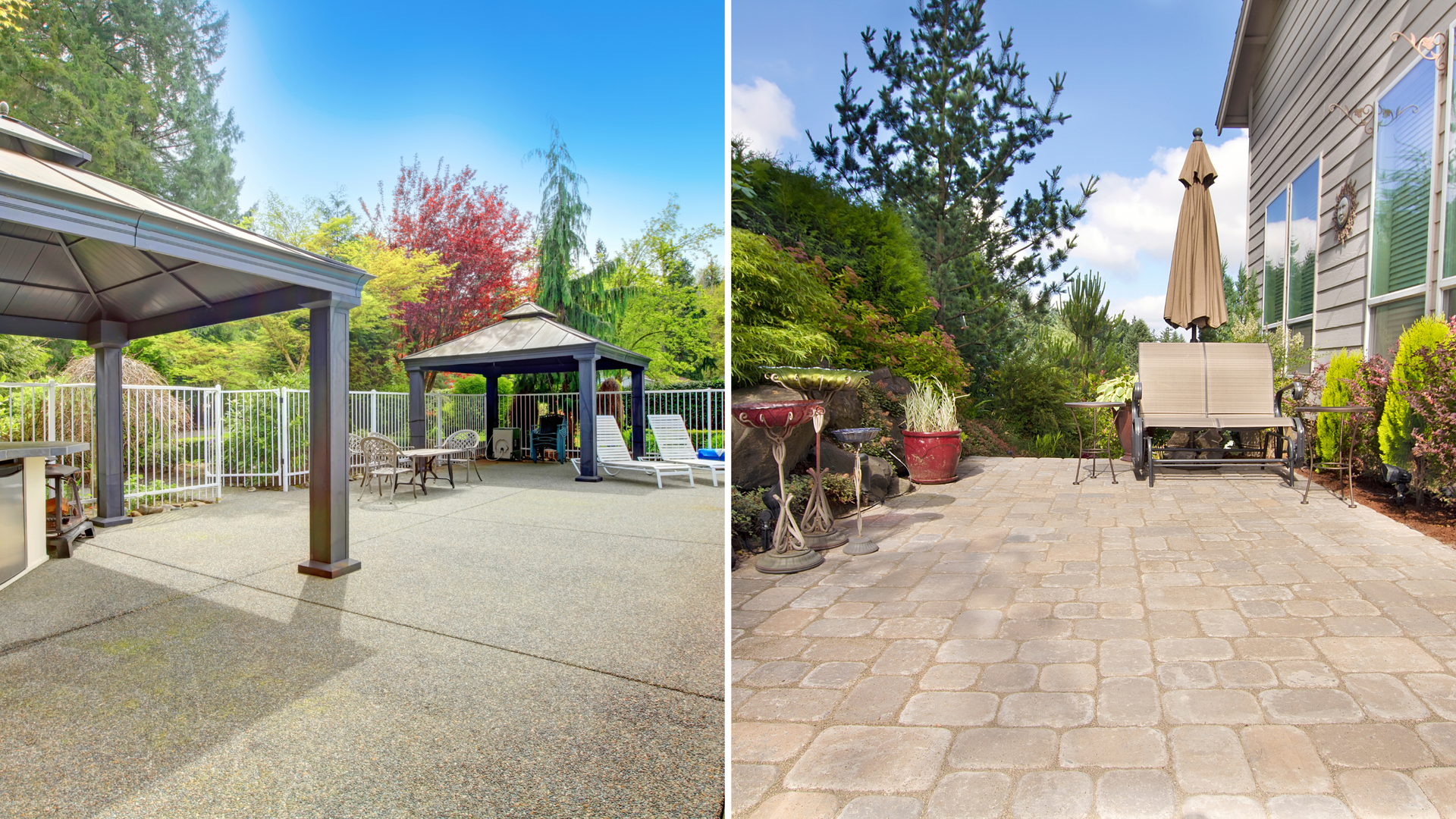
Concrete Walkways vs Pavers
Some homeowners compare poured concrete walkways with paver walkways. Both can work well, but they perform differently.
| Feature | Concrete Walkway | Paver Walkway |
|---|---|---|
| Starting cost | Usually lower | Usually higher |
| Maintenance | Lower | Moderate |
| Surface stability | Continuous slab | Individual units can shift |
| Repair flexibility | More limited | Individual pavers can be reset |
| Design options | Broom, colored, stamped | Many shapes and patterns |
Concrete is often the better choice for homeowners who want a clean, stable, lower-maintenance path. Pavers may be preferred when modular repairs or a highly detailed pattern are top priorities.
How Walkways Connect to Other Concrete Projects
Walkways often work best when planned with the rest of the property. They may connect to:
- Driveways
- Patios
- Front porches
- Pool decks
- Sheds or workshops
- Garden areas
- Detached garages
Planning these surfaces together helps avoid awkward transitions, drainage conflicts, and mismatched finishes.
For example, a walkway leading from a driveway to a backyard patio should align properly with both surfaces. This creates better flow and reduces the risk of water pooling where the surfaces meet.
Frequently Asked Questions About Concrete Sidewalks and Walkways
How thick should a residential concrete walkway be?
- Most residential concrete walkways should be 4 inches thick for regular foot traffic. If the walkway will support heavier use, such as golf carts or small equipment, a thicker slab may be recommended.
What is the best finish for a concrete walkway?
- A broom finish is one of the best choices for most residential walkways because it provides traction and requires little maintenance. Stamped or colored finishes are better for homeowners who want a more decorative look.
How wide should a front walkway be?
- A front walkway is usually most comfortable at 4 feet wide or more. Wider walkways may be preferred for main entrances or larger homes.
Can you replace only part of a concrete walkway?
- Yes, partial replacement may be possible if the damaged section is isolated. However, color and finish matching can be difficult, especially with older concrete.
Do concrete walkways need control joints?
- Yes. Control joints help manage natural concrete shrinkage and reduce random cracking. Joint spacing depends on slab thickness and layout.
Work With a Concrete Sidewalk and Walkway Contractor in Ocala
A concrete walkway should be safe, comfortable, properly sloped, and designed for the way your property is used. The best results come from careful planning, proper base preparation, and a finish that matches both your home and your maintenance expectations.
C1 Foundations installs concrete sidewalks and walkways throughout Ocala and surrounding areas with a focus on clean layouts, durable surfaces, and dependable installation practices.
If you are planning a new walkway, replacing cracked sections, or improving access around your property, contact C1 Foundations to request a free estimate and discuss the right approach for your home.